Fantasy reader guide
13 Best Fantasy Books Without Romance
The best fantasy books without romance, ranked for adult readers by tone, pace, magic, darkness, commitment, and how strictly each book avoids a romantic plot.
Guide lens
Help adult fantasy readers find books where adventure, mystery, friendship, politics, horror, or progression drives the story instead of romance.
Quick answer
The recommendations at a glance
The order combines editorial judgment, Matrix distinctions, commitment, and the specific reader each book serves best.
Scan all 13 recommendations
- #1PiranesiSusanna Clarke
- Best if
- you want a compact adult fantasy mystery built around solitude, memory, an impossible House, and a precise, humane narrative voice.
- Commitment
- Single book
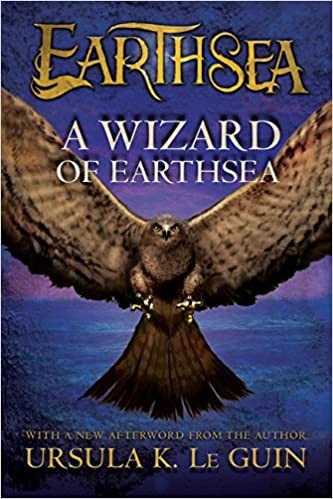
- #2A Wizard of EarthseaUrsula K. Le Guin / Earthsea
- Best if
- you want a short, mythic coming-of-age story about pride, power, responsibility, and a mage confronting the consequence of his own mistake.
- Commitment
- Medium series
- #3The HobbitJ. R. R. Tolkien
- Best if
- you want an approachable classic quest with courage, riddles, danger, humor, a dragon, and no romantic subplot.
- Commitment
- Single book
- #4Mother of Learning: ARC 1Domagoj Kurmaic / Mother of Learning
- Best if
- you want a complete time-loop mystery where magical study, investigation, planning, and accumulated knowledge replace relationship drama.
- Commitment
- Medium series
- #5Dungeon Crawler CarlMatt Dinniman / Dungeon Crawler Carl
- Best if
- you want fast adult LitRPG, dark comedy, visible progression, inventive dungeon problems, and a central friendship rather than a romance.
- Commitment
- Long series
- #6The Poppy WarR. F. Kuang / The Poppy War
- Best if
- you want adult military fantasy about ambition, empire, war, atrocity, and destructive power without a conventional romantic plot.
- Commitment
- Medium series
- #7The Lies of Locke LamoraScott Lynch / Gentleman Bastard
- Best if
- you want an adult fantasy heist driven by elaborate cons, sharp dialogue, friendship, revenge, and a vivid criminal city.
- Commitment
- Long series
- #8Ninth HouseLeigh Bardugo / Ninth House
- Best if
- you want adult dark academia with ghosts, murder, occult rituals, institutional privilege, and a damaged protagonist investigating hidden power.
- Commitment
- Medium series
- #9The City We BecameN. K. Jemisin / The Great Cities
- Best if
- you want contemporary urban fantasy where New York's boroughs become an ensemble of human avatars fighting for the city's identity.
- Commitment
- Short series
- #10UnsouledWill Wight / Cradle
- Best if
- you want a fast, accessible progression-fantasy opening about an underpowered outsider challenging the limits imposed on him.
- Commitment
- Long series
- #11Small GodsTerry Pratchett / Discworld
- Best if
- you want comic fantasy with a complete story, philosophical weight, religious satire, and no romantic diversion.
- Commitment
- Long series
- #12The Emperor's SoulBrandon Sanderson
- Best if
- you want hard magic, political pressure, identity, art, and a complete Sanderson story in a compact novella.
- Commitment
- Single book
- #13The Tainted CupRobert Jackson Bennett / Shadow of the Leviathan
- Best if
- you want an accessible adult fantasy mystery with an eccentric detective partnership, no romantic plot, and a strange imperial setting.
- Commitment
- Medium series
The best fantasy book without romance is Piranesi by Susanna Clarke. It is a complete adult standalone whose mystery, solitude, memory, and strange architectural world leave no need for a romantic subplot. It is also short enough to recommend without attaching a series commitment to an otherwise simple request.
Choose A Wizard of Earthsea instead for mythic high fantasy, The Hobbit for an approachable classic quest, Mother of Learning for a complete progression story, or The Emperor’s Soul for a compact hard-magic novella. Readers who want something much darker should look at The Poppy War or Ninth House, but should not confuse the absence of romance with the absence of sexual content or trauma.
This ranking is designed primarily for adult readers. It includes a few crossover books where the experience remains valuable to adults, and it distinguishes between a romance-free individual book and a series that stays romance-free. That distinction matters: Unsouled contains no romantic plot, but later Cradle books develop a small romantic subplot.
What does “without romance” mean here?
The Fantasy Fit Matrix classifies romance by narrative role: None, Subplot, Major thread, or Central. Every selected book in this guide is classified as None. That means romance is absent or functionally irrelevant to the book’s main experience. The story would not need to be substantially rebuilt if its romantic material were removed.
The standard does not require a world without couples, attraction, former partners, marriage, or sexual history. Those things can exist as background facts without creating a romance plot. The relevant question is whether courtship, romantic tension, or a developing couple meaningfully drives the reader’s experience.
Three further limits are important:
- No romance is not the same as no sex. The Poppy War and Ninth House contain sexual-content advisories and severe material despite not being romance narratives.
- A romance-free first book does not guarantee a romance-free series. The Lies of Locke Lamora and Unsouled both change in later volumes.
- Ongoing series can change. Dungeon Crawler Carl and Ninth House are judged by the published entry described here, not by promises about unwritten books.
The ranking considers the strictness of the no-romance fit, the quality and distinctness of the reading experience, adult-reader usefulness, commitment, and the clarity of each book’s tradeoffs. It is an editorial order, not a claim that literary quality can be reduced to one universal score.
1. Piranesi: the best overall fantasy book without romance
Piranesi is presented through the journals of a man who lives in the House, an apparently endless structure of halls, statues, tides, clouds, and birds. He records its patterns with care and reverence. His only regular human contact is the Other, who visits to pursue what he calls a Great and Secret Knowledge.
The novel ranks first because the absence of romance feels natural rather than restrictive. Solitude is part of the mystery, but the book is not emotionally empty. Trust, exploitation, identity, kindness, and the meaning of home supply its human weight. Clarke gives the reader an intimate relationship with one consciousness and one impossible place.
It is also the safest recommendation in practical terms. The story is complete in one relatively compact volume, it is written for adults, and there is no sequel whose later direction needs a warning. The moderate prose and journal structure require attention, while the slow opening asks the reader to notice details before understanding their significance.
Choose Piranesi when you want strangeness, atmosphere, a contained mystery, and emotional depth without courtship or romantic tension. Choose a lower-ranked book when you need battles, progression, comedy, or a large social world.
2. A Wizard of Earthsea: the best mythic choice
Ged begins as an unusually gifted boy whose talent and pride carry him toward formal magical education. An act performed to prove himself releases a shadow, changing the story from a conventional rise toward mastery into a pursuit shaped by fear, responsibility, and self-knowledge.
A Wizard of Earthsea places second because it proves that a short coming-of-age book can have philosophical weight without using romance as a marker of maturity. Ged’s most important relationships involve teachers, rivals, friends, and his own divided understanding of power. Magic is bound to language and balance rather than spectacle alone.
Le Guin’s prose is literary and compressed. Years can pass quickly, while a single moral decision receives lasting weight. Readers accustomed to contemporary dialogue, detailed school routines, or fully explained spell mechanics may find it distant. That distance is part of its mythic effect.
The no-romance claim applies specifically to this book. The wider Earthsea cycle changes protagonists and eventually explores forms of adult partnership. Start here for a complete individual journey; do not assume that one Matrix value flattens all six books into the same experience.
3. The Hobbit: the best classic adventure
Bilbo Baggins values food, routine, and the safety of his home until Gandalf and thirteen dwarves recruit him for a journey to reclaim the Lonely Mountain from Smaug. The road introduces trolls, goblins, riddles, spiders, elves, treasure, and a conflict larger than the modest role Bilbo expected to play.
The Hobbit is the strongest traditional quest on this list. Its story is driven by companionship, courage, greed, ingenuity, and the tension between adventure and home. No courtship subplot is inserted to prove that Bilbo has changed, and no romantic pairing competes with his relationship to the company and the journey.
It ranks below Piranesi and A Wizard of Earthsea because this guide is aimed mainly at adults and The Hobbit was written for children. The narrator addresses the reader directly, danger can sit beside whimsy, and some characterization is deliberately broad. None of that prevents adult enjoyment, but it defines the reading contract.
Choose it when you want a complete, warm, dangerous, and influential fantasy adventure without romance. It is also the easiest family or crossover recommendation in the ranking.
4. Mother of Learning: ARC 1: the best complete progression choice
Zorian Kazinski expects another difficult month at a magical academy. An invasion instead ends with him waking at the beginning of that same month while retaining his memories. Repetition becomes a tool: he can test explanations, find teachers, improve his magic, and investigate why the loop exists.
The published Mother of Learning sequence is the strongest choice for readers who want a complete long-form fantasy without romance taking over the character arc. Zorian develops through knowledge, trust, responsibility, and a gradually widening understanding of other people. Progress is not measured only by combat power; information and planning are equally important.
The tradeoff is method. Training, magical theory, investigation, and repeated events receive substantial space. Zorian is emotionally guarded, and the prose is functional rather than lyrical. Readers who need spontaneous momentum may experience the careful accumulation as slow even when the plot is moving.
Start here when a solved time-loop mystery and a completed progression arc matter more than romance or expressive relationship drama. The four-volume commitment is larger than the first title suggests, but it reaches an ending.
5. Dungeon Crawler Carl: the best action and comedy choice
After Earth’s surface is destroyed, survivors can enter an alien-built dungeon where levels, achievements, sponsors, and audience attention turn catastrophe into entertainment. Carl enters with Princess Donut, his former girlfriend’s cat, and their attempt to survive becomes the book’s defining relationship.
The story moves quickly through combat, rule exploitation, absurd rewards, and dark jokes. Its emotional foundation is not a romance but a partnership built from loyalty, disagreement, grief, and mutual dependence. That makes Dungeon Crawler Carl particularly useful for readers who want strong character chemistry without courtship.
The humor does not make the material gentle. Violence, dehumanization, strong language, and the destruction of ordinary life remain central. Game statistics and achievement messages are part of the prose rather than removable decoration, so readers who dislike LitRPG presentation should not choose it merely for the romance constraint.
The series is ongoing, with eight books listed by the author at this review date. The opening is a strong no-romance recommendation, but an unfinished series cannot provide a permanent guarantee about every later volume.
6. The Poppy War: the darkest complete choice
Rin escapes an arranged future by earning entry to an elite military academy. The early struggle involves class, discipline, rivalry, and an ability connected to dangerous divine power. War then transforms the scale and moral nature of every ambition established at the school.
The Poppy War belongs here because its relationships do not become a conventional romance arc. Loyalty, dependency, rivalry, power, ideology, and shared damage are more important than courtship. Across the completed trilogy, the central question is what Rin will do with power inside systems of empire and violence.
That does not make it a safe recommendation for readers avoiding all sexual material. The book contains sexual-content advisories, including atrocity and trauma, alongside severe violence and grief. A request for “no romance” often hides several possible boundaries; this book satisfies only the romance boundary.
Choose it when you want military escalation, historical influence, moral deterioration, and a completed adult trilogy. Avoid it when your actual need is comfort, low trauma, or freedom from sexual violence.
7. The Lies of Locke Lamora: the best fantasy heist
Locke Lamora and the Gentleman Bastards conduct elaborate confidence games against Camorr’s wealthy while pretending to be less ambitious thieves. A new criminal power interrupts their schemes and turns performance, loyalty, and revenge into a fight for survival.
The first novel’s emotional center is the friendship between Locke and Jean and the found family around them. Clever disguises, layered plans, nonlinear setup, banter, and the city itself receive the attention another book might give to romantic tension. The result is one of the strongest adult fantasy adventures for a reader who wants chemistry without a couple.
This recommendation has a firm boundary. A significant past love is referenced, and romance becomes important in a later Gentleman Bastard book. The wider planned sequence is also unfinished. The Lies of Locke Lamora works as a satisfying individual novel, but it is not evidence that all seven planned books will meet the same constraint.
Choose it for heists, friendship, language, reversals, and a dangerous city. Avoid it if an unfinished wider story is frustrating or if even background reference to a past romance breaks your definition of “without romance.”
8. Ninth House: the best dark-academia choice
Alex Stern is offered an unusual route into Yale because she can see ghosts. Her work for Lethe requires monitoring secret societies whose occult rituals are protected by wealth, prestige, and institutional secrecy. A death and a missing mentor give the book its investigative structure.
Ninth House replaces romantic progression with distrust, partnership, trauma, class conflict, and the slow exposure of systems designed to protect powerful people. The campus setting may resemble books where romance becomes central, but Bardugo uses it for horror and institutional investigation instead.
As with The Poppy War, no romance does not mean no sexual material. The content is adult and includes exploitation, trauma, violence, and horror. The chronology is also nonlinear, and the protagonist’s history is revealed gradually rather than offered as a clean starting profile.
Choose it when you want dark academia that is genuinely dark. The wider trilogy is ongoing, so the recommendation describes this book’s narrative role for romance rather than promising that every future relationship will remain unchanged.
9. The City We Became: the best urban ensemble
New York reaches the point where it can become a living city, but the process is disrupted. Human avatars associated with its boroughs must find one another while an invading force turns the city’s fractures, exclusions, and prejudices into weapons.
The book’s important relationships are collective. People who differ in age, politics, experience, and attachment to the city have to decide whether they can cooperate. Romance is functionally irrelevant to the primary design; identity, culture, power, and found family shape the emotional movement.
Its urban setting and overt politics make it unlike the medieval landscapes that dominate many fantasy lists. Magic is spectacular but not explained through a hard system, and the ensemble structure means no single character owns the entire story.
Choose The City We Became when you want a fast adult fantasy in which place itself becomes character and conflict. Its Great Cities sequence is a completed two-book commitment, although this ranking evaluates the romance role of the opening novel.
10. Unsouled: the best romance-free opening to a complete progression epic
Sacred Valley classifies Lindon as Unsouled and expects him to remain weak. Knowledge of a future disaster changes his objective: instead of finding a tolerable place within the local hierarchy, he must seek enough power and understanding to prevent its destruction.
Unsouled is compact, fast, and accessible. Its central drives are advancement, survival, mentorship, social exclusion, and the discovery that the world extends far beyond the boundaries Lindon has been taught. His early alliance with Yerin is practical and character-forming rather than romantic.
The complete Cradle series eventually develops a slow romantic subplot. Romance never becomes its principal genre, but a reader seeking twelve volumes with literally no romantic development should not treat the opening book’s Matrix value as a series-wide promise.
Choose Unsouled when you want to test progression fantasy without romance in the first volume and do not mind a minor relationship arc later. Choose Mother of Learning when the complete-series constraint is stricter.
11. Small Gods: the best comic and philosophical choice
Brutha is a sincere novice in a powerful church whose god, Om, has been reduced to a tortoise that only Brutha can hear. Their journey exposes the distance between private belief and the institution that claims to represent it, while conquest and inquisition turn that argument into more than a joke.
Romance has no role in the book’s design. The central relationships concern faith, responsibility, memory, authority, and whether a person can remain humane inside a cruel system. Pratchett’s comedy makes those questions approachable without removing their moral weight.
It ranks eleventh because it is a specialist recommendation rather than a weaker book. Small Gods is nearly standalone within Discworld, but it does not introduce one of the recurring character routes a reader might naturally continue. Its darkness is also moderate: torture, forced belief, and war sit beneath the humor.
Choose it when you want a complete comic fantasy that leaves you with an argument to think about. Start with Guards! Guards! instead when your real goal is a longer Discworld route with a recurring ensemble.
12. The Emperor’s Soul: the best short hard-magic choice
Shai is an imprisoned magical forger given one hundred days to reconstruct the soul of a comatose emperor. The assignment places her in a contest of expertise and judgment with the officials controlling her, while every day also advances her plan to escape.
There is no romantic thread. The emotional and intellectual center is Shai’s work: what makes an identity authentic, whether imitation can become art, and how deeply a person must be understood before a convincing version can be made. The hard-magic rules support those questions instead of replacing them.
Its final position reflects breadth, not fit. This is a novella with a confined setting and a small cast, so it cannot provide the long immersion of the books above it. In return, it offers the lowest commitment in the guide and reaches a complete conclusion.
Choose The Emperor’s Soul when you want a focused evening-or-weekend read with clear magic and substantial character work. It is also the cleanest test of Brandon Sanderson’s approach before committing to one of his larger series.
13. The Tainted Cup: the best fantasy-mystery choice
When an imperial officer dies after a tree erupts from his body, Dinios Kol records the investigation of Ana Dolabra, a brilliant and disconcerting detective. The case moves through engineered magic, official secrecy, and a frontier empire threatened by immense leviathans. Its pleasure is in clues, deduction, and the way a strange world keeps changing the meaning of the evidence.
The Tainted Cup is a particularly clean answer for readers who want fantasy to replace romance with mystery. Ana and Din’s partnership has personality and friction, but neither courtship nor attraction drives the case. The book’s momentum comes from finding the pattern behind a murder and learning which institutions have reasons to hide it.
It sits last because the wider Shadow of the Leviathan series is ongoing, not because romance begins to matter. The world also includes body horror and biological alterations that make it a poor fit for readers seeking a gentle detective story.
Choose it when you want the fastest, most clue-driven adult option on this list. Choose Piranesi for a quieter standalone mystery, or The Emperor’s Soul for a shorter intellectual puzzle with hard magic.
Fantasy books without romance compared
Every book below has Romance: None in its individual-book Matrix profile. The surrounding columns matter because removing romance does not tell you whether the replacement experience is quiet, funny, grim, political, or progression-heavy.
- Tone
- Wondrous
- Pace
- Slow
- Romance
- None
- Politics
- 1/5
- Darkness
- 3/5
- World
- 3/5
- Magic
- Medium
- Commitment
- Single book
- Tone
- Mythic
- Pace
- Measured
- Romance
- None
- Politics
- 1/5
- Darkness
- 3/5
- World
- 4/5
- Magic
- High
- Commitment
- Medium series
- Tone
- Adventurous
- Pace
- Fast
- Romance
- None
- Politics
- 1/5
- Darkness
- 2/5
- World
- 4/5
- Magic
- Medium
- Commitment
- Single book
- Tone
- Adventurous
- Pace
- Measured
- Romance
- None
- Politics
- 2/5
- Darkness
- 3/5
- World
- 4/5
- Magic
- High
- Commitment
- Medium series
- Tone
- Humorous
- Pace
- Fast
- Romance
- None
- Politics
- 2/5
- Darkness
- 5/5
- World
- 4/5
- Magic
- High
- Commitment
- Long series
- Tone
- Grim
- Pace
- Fast
- Romance
- None
- Politics
- 4/5
- Darkness
- 5/5
- World
- 4/5
- Magic
- High
- Commitment
- Medium series
- Tone
- Adventurous
- Pace
- Fast
- Romance
- None
- Politics
- 3/5
- Darkness
- 4/5
- World
- 4/5
- Magic
- Low
- Commitment
- Long series
- Tone
- Gothic
- Pace
- Measured
- Romance
- None
- Politics
- 4/5
- Darkness
- 5/5
- World
- 3/5
- Magic
- High
- Commitment
- Medium series
- Tone
- Political
- Pace
- Fast
- Romance
- None
- Politics
- 4/5
- Darkness
- 4/5
- World
- 3/5
- Magic
- High
- Commitment
- Short series
- Tone
- Adventurous
- Pace
- Fast
- Romance
- None
- Politics
- 2/5
- Darkness
- 3/5
- World
- 4/5
- Magic
- High
- Commitment
- Long series
- Tone
- Humorous
- Pace
- Measured
- Romance
- None
- Politics
- 3/5
- Darkness
- 3/5
- World
- 4/5
- Magic
- High
- Commitment
- Long series
- Tone
- Political
- Pace
- Measured
- Romance
- None
- Politics
- 4/5
- Darkness
- 2/5
- World
- 3/5
- Magic
- High
- Commitment
- Single book
- Tone
- Adventurous
- Pace
- Fast
- Romance
- None
- Politics
- 4/5
- Darkness
- 3/5
- World
- 5/5
- Magic
- High
- Commitment
- Medium series
Choose by the experience you want
- For the cleanest adult standalone: choose Piranesi.
- For mythic and literary fantasy: choose A Wizard of Earthsea.
- For a classic quest with broad crossover appeal: choose The Hobbit.
- For a complete progression mystery: choose Mother of Learning.
- For fast LitRPG, friendship, and dark comedy: choose Dungeon Crawler Carl.
- For military fantasy and severe consequences: choose The Poppy War.
- For a heist and male friendship: choose The Lies of Locke Lamora.
- For adult dark academia and horror: choose Ninth House.
- For an urban ensemble and overt politics: choose The City We Became.
- For a complete progression epic with later minor romance: choose Unsouled.
- For philosophical comic fantasy: choose Small Gods.
- For a compact hard-magic standalone: choose The Emperor’s Soul.
- For a clue-driven fantasy mystery: choose The Tainted Cup.
Frequently asked questions
What is the best fantasy book without romance?
Piranesi is the best overall choice for an adult reader. It is a complete standalone with no romantic plot, a manageable commitment, an original setting, and strong emotional substance built from identity, trust, solitude, and memory. Choose The Hobbit instead when you want a more conventional adventure.
Which complete fantasy series has no romance?
Mother of Learning is the strongest complete progression-fantasy answer in this guide. Its four published volumes focus on a time loop, magical study, conspiracy, planning, and Zorian’s development. The Poppy War is also complete and not romance-led, but its extreme violence and trauma make it a much narrower recommendation.
Does “without romance” also mean no sexual content?
No. Romance describes the narrative importance of courtship or a developing romantic relationship. Sexual content, sexual violence, past relationships, and attraction are separate concerns. Always check content advisories, especially for The Poppy War and Ninth House.
Are all thirteen wider series romance-free?
No. This is a list of books, and the Matrix values shown are individual-book classifications. Romance develops later in Cradle and becomes more important in a later Gentleman Bastard volume. Ongoing series such as Dungeon Crawler Carl, Ninth House, and The Tainted Cup cannot be guaranteed in advance.
Why is The Lord of the Rings not in the ranking?
Romance is not a primary engine of The Lord of the Rings, but romantic relationships and marriages are part of its wider completed story. The available library already contains twelve cleaner answers to the literal query. Readers who mean “epic fantasy where romance stays minor” can still consider The Lord of the Rings series profile.
What should I read if I want no romance and no dark content?
Choose The Hobbit for a warm classic adventure, while remembering that it still contains peril and violence. A Wizard of Earthsea is more serious and melancholic, while The Emperor’s Soul is compact and hopeful. Small Gods is comic but still contains institutional cruelty and war. Avoid treating The Poppy War, Ninth House, or Dungeon Crawler Carl as safe merely because they contain no romance plot.
Where should you start?
Start with Piranesi when you want the strictest adult standalone recommendation and are comfortable with a quiet mystery. Start with The Hobbit for a familiar quest, Mother of Learning for a completed longer project, or The Emperor’s Soul for the smallest commitment.
The useful question is not only whether romance is absent. It is what the book gives you instead: solitude, friendship, moral consequence, mystery, politics, humor, or progression. That replacement experience is what should determine the final choice.
Sources and reviewThe review status, confidence level, and sources behind this guide.
Matrix v1.0 / reviewed / high confidence / reviewed August 6, 2026
- Bloomsbury: Piranesi
- Ursula K. Le Guin: A Wizard of Earthsea
- Penguin Random House: The Hobbit
- Wraithmarked: Domagoj Kurmaic
- Matt Dinniman: Dungeon Crawler Carl books
- R. F. Kuang: author and books
- Scott Lynch: Gentleman Bastard books
- Leigh Bardugo: Ninth House
- Hachette: The City We Became
- Will Wight: Cradle
- Terry Pratchett: Small Gods
- Brandon Sanderson: The Emperor's Soul
- Penguin Random House: The Tainted Cup