Books Like guide
Books Like The Lord of the Rings: 7 Epic Fantasies to Read Next
Seven books like The Lord of the Rings, compared by mythic tone, worldbuilding, prose, fellowship, pace, and reading commitment.
Guide lens
Find fantasy that preserves Middle-earth's mythic depth, journey, fellowship, and hard-won hope without pretending to duplicate Tolkien.
Quick answer
The recommendations at a glance
Scores use Matrix v1.0 with extra weight on the qualities this guide is trying to preserve.
Scan all 7 recommendations
- 93%The Dragonbone ChairTad Williams / Memory, Sorrow, and Thorn
- Closest carryover
- Worldbuilding depth: 5/5 in both books
- Main shift
- Plot complexity: 4/5 in The Fellowship of the Ring; 3/5 here
- Series status
- Complete series
- 81%The Eye of the WorldRobert Jordan / The Wheel of Time
- Closest carryover
- Worldbuilding depth: 5/5 in both books
- Main shift
- Magic presence: Medium in The Fellowship of the Ring; High here
- Series status
- Complete series
- 80%The Summer TreeGuy Gavriel Kay / The Fionavar Tapestry
- Closest carryover
- Worldbuilding depth: 5/5 in The Fellowship of the Ring; 4/5 here
- Main shift
- Magic presence: Medium in The Fellowship of the Ring; High here
- Series status
- Complete series
- 79%The Riddle-Master of HedPatricia A. McKillip / Riddle-Master
- Closest carryover
- Worldbuilding depth: 5/5 in The Fellowship of the Ring; 4/5 here
- Main shift
- Magic presence: Medium in The Fellowship of the Ring; High here
- Series status
- Complete series
- 73%A Wizard of EarthseaUrsula K. Le Guin / Earthsea
- Closest carryover
- Worldbuilding depth: 5/5 in The Fellowship of the Ring; 4/5 here
- Main shift
- Plot complexity: 4/5 in The Fellowship of the Ring; 2/5 here
- Series status
- Complete series
- 68%The Way of KingsBrandon Sanderson / The Stormlight Archive
- Closest carryover
- Worldbuilding depth: 5/5 in both books
- Main shift
- Prose difficulty: Literary in The Fellowship of the Ring; Accessible here
- Series status
- Ongoing series
- 66%Assassin's ApprenticeRobin Hobb / The Farseer Trilogy
- Closest carryover
- Worldbuilding depth: 5/5 in The Fellowship of the Ring; 4/5 here
- Main shift
- Political intrigue: 2/5 in The Fellowship of the Ring; 4/5 here
- Series status
- Complete series
The closest overall match for a reader who wants another book like The Lord of the Rings is The Dragonbone Chair by Tad Williams. It offers a patient journey, deep history, old powers, changing landscapes, and an ordinary young person pulled into a conflict much larger than himself. Choose The Summer Tree instead if myth, fellowship, sacrifice, and a direct struggle against darkness matter most. Choose A Wizard of Earthsea if what you miss is Tolkien’s sense that language and legend have weight.
No novel can reproduce Middle-earth by adding a quest, a map, and an ancient enemy. Those are visible features, but Tolkien’s deeper appeal comes from the way history presses against the present: songs remember what characters have forgotten, landscapes carry loss, victory demands mercy and endurance, and even the largest war depends on people who do not seek power.
This guide compares seven books and series that preserve different parts of that experience. It includes completed classics, one very long finished epic, and one ongoing modern series. The useful question is not which author copied Tolkien most closely. It is which part of The Lord of the Rings you want to encounter again.
What makes a book feel like The Lord of the Rings?
Many epic fantasies have medieval technology, invented names, and a fight against evil. Far fewer combine the qualities that make Middle-earth feel both vast and intimate:
- The world has deep time. Ruins, languages, songs, peoples, and old failures suggest a history extending far beyond the current plot.
- Travel changes the story. Landscape is not empty distance between action scenes. The road reveals cultures, danger, memory, and the limits of each traveler.
- Power is morally dangerous. The central victory cannot come from using the enemy’s power more effectively than the enemy.
- Small acts carry epic weight. Loyalty, pity, hospitality, and persistence matter alongside kings, armies, and prophecy.
- The tone holds sorrow and hope together. Beauty can pass away, good people can fail, and worthwhile victories still remain possible.
- Magic retains mystery. The supernatural feels embedded in the world’s age and character rather than presented only as a system of usable abilities.
- The prose supports the mythology. Register, rhythm, naming, and occasional formality help the story feel remembered rather than merely reported.
The recommendations below do not match all seven qualities equally. The distinctions are the point: each one preserves a different part of Tolkien’s achievement and changes something important.
1. The Dragonbone Chair: the closest overall bridge from Tolkien
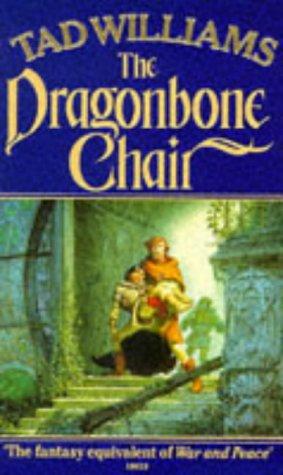
The Dragonbone Chair, the opening of Tad Williams’s completed Memory, Sorrow, and Thorn trilogy, is the strongest all-round recommendation for readers who want to spend time inside another old, layered secondary world. Simon begins as a kitchen boy in a castle whose ordinary routines matter. When the kingdom starts to fracture, his limited understanding expands slowly through travel, danger, stories, and encounters with people who remember the past differently.
That gradual widening is the book’s closest connection to The Fellowship of the Ring. Both begin by establishing a home worth caring about before the road reveals the scale of the threat. Both allow songs, old names, half-understood legends, and contested histories to make the world feel older than the protagonists. Williams also treats wilderness as experience rather than scenery. Cold, hunger, distance, and disorientation affect how the journey feels.
The differences are substantial. Williams gives more space to court tension, interior uncertainty, and the political consequences of a failing monarchy. Simon’s coming of age is psychologically closer and often more awkward than Frodo’s burdened resolve. The opening is also extremely patient. Readers who find the early Shire chapters too slow are unlikely to find this a faster alternative.
Choose The Dragonbone Chair for immersion, history, landscape, and a complete epic that sits between classic quest fantasy and the more character-conscious genre that followed it. It is less suitable when brisk pacing or a compact commitment matters more than atmosphere.
2. The Summer Tree: the strongest match for myth and sacrifice
Guy Gavriel Kay’s The Summer Tree sends five people from Toronto into Fionavar, a world where gods, recurring legends, and an awakened enemy place personal lives inside a much older pattern. The resulting Fionavar Tapestry is a complete trilogy, making it a manageable option for readers who want cosmic stakes without committing to ten or fourteen books.
Its strongest Tolkien-like quality is mythic seriousness. Names and stories have force, fellowship requires sacrifice, and resistance to darkness is not merely a contest of military strength. Characters are asked what they are willing to give, not only what they are capable of defeating. The trilogy also shares Tolkien’s interest in courage that becomes meaningful precisely because grief and loss cannot be avoided. Its overall Matrix fit ranks third, but that unusually direct match in myth, fellowship, and sacrifice makes it the second book worth examining for readers who see those qualities as the heart of Tolkien.
The experience is otherwise quite different. The protagonists arrive from the modern world, the emotions are more heightened, romance has a larger role, and the narrative draws openly on several mythic traditions. Sexual violence is part of the story and should be a deciding factor for some readers. Kay’s later novels are more restrained than this early trilogy; readers expecting the historical subtlety of Tigana or The Lions of Al-Rassan should expect a more direct high-fantasy mode here.
Choose The Summer Tree when the mythic conflict, fellowship, sorrow, and sacrificial courage of The Lord of the Rings matter more than its exclusively secondary-world perspective or quiet restraint.
3. A Wizard of Earthsea: mythic prose without the enormous scale
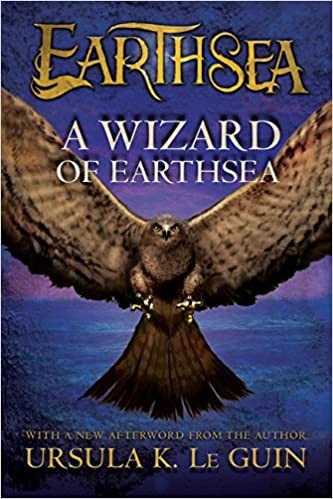
A Wizard of Earthsea is the best recommendation here for readers who want fantasy to feel like legend. Ursula K. Le Guin tells Ged’s coming of age with remarkable compression: pride leads him to release a shadow, and his attempt to escape it becomes a journey toward responsibility and balance. The plot is smaller than Tolkien’s, but the language gives it the distance and gravity of an old story.
Earthsea and Middle-earth both treat names as more than labels. Language belongs to the structure of the world, while knowledge creates obligations as well as power. Magic is present throughout Ged’s life, yet it never becomes a convenient answer to every problem. Its use has moral and natural consequences, and wisdom often means understanding what should not be changed. The broader Matrix places it fifth because it lacks Tolkien’s fellowship, political scale, and complex quest structure; it appears earlier here because prose, legend, and moral weight are precisely the qualities this comparison is meant to isolate.
The first book focuses tightly on one character. There is no large fellowship, little political intrigue, and no continent-wide war. It is also far shorter than The Fellowship of the Ring. That compactness makes it useful for readers who want mythic depth without another large series, although the wider Earthsea cycle eventually changes protagonists and revisits its assumptions about power.
Choose A Wizard of Earthsea for resonant prose, true names, self-knowledge, and a world that feels elemental. Choose another book if companionship, armies, or the physical scale of the journey was the central pleasure of Tolkien.
4. The Riddle-Master of Hed: the lyrical and enigmatic choice
Patricia A. McKillip’s The Riddle-Master of Hed begins with Morgon, a reluctant prince who has already proved himself a brilliant riddler but would prefer the practical life of his small island. Three stars on his forehead and a set of unanswered riddles draw him away from home toward questions about identity, rulership, and powers hidden in the history of the realm.
This is not Tolkien-sized fantasy. Its affinity lies in how it asks the reader to pay attention. Names, harp music, land, old knowledge, and inherited stories repeatedly mean more than characters first understand. The world is not explained through long blocks of background information. It emerges through allusion and connection, giving the completed trilogy a scale larger than its page count.
McKillip’s prose is lyrical and compressed. Scenes can feel dreamlike, and answers often create larger questions before the full pattern becomes visible. Readers who enjoy the songs, formal language, and sense of half-remembered history in The Lord of the Rings may find that density rewarding. Readers who want direct explanations may find it elusive.
Choose The Riddle-Master of Hed for literary high fantasy, riddles, old powers, and a compact complete quest. It replaces the fellowship’s warmth and geographic breadth with mystery, identity, and language.
5. The Eye of the World: the longest completed journey
The Eye of the World is the clearest choice for readers who want to leave a rural home with a small group and watch the known world become enormous. After supernatural attackers reach the Two Rivers, Moiraine leads several young villagers onto the road. Ruins, pursued travelers, old stories, dangerous servants of a returning enemy, and a company that does not remain safely united make the opening deliberately familiar to Tolkien readers.
Robert Jordan uses that foundation to begin something much larger. The Wheel of Time expands across fourteen main novels into nations, institutions, prophecies, wars, and one of fantasy’s largest recurring casts. The series is complete, and its cultures and cyclical history offer the long immersion that many readers seek after Middle-earth. Those structural similarities give it the second-highest overall fit in the guide.
The reason The Eye of the World appears fifth despite being the guide’s second-closest Matrix match is the commitment it demands. This is the longest recommendation here, and its middle volumes can be slow. Magic becomes more visible and more rule-bound than Tolkien’s, while prophecy and political maneuvering occupy far more of the narrative. The prose is accessible rather than literary, with substantial description and repetition across the series. The shorter books above reproduce particular parts of Tolkien’s tone and language more immediately; Jordan is the stronger choice when you are ready to commit to another world on a much larger scale.
Choose The Eye of the World if the road out of the Shire, the expanding map, and the promise of a complete world-scale story are what you want again. Do not choose it merely because you want another trilogy; this is a multi-month or multi-year reading project for many readers.
6. Assassin’s Apprentice: for loyalty, sorrow, and quiet endurance
Assassin’s Apprentice does not resemble The Lord of the Rings on the surface. Fitz is raised inside a royal court, the story is told in first person, and much of the danger comes from family, politics, and the obligations imposed on a child. There is no fellowship crossing a continent toward one decisive destination.
Its connection is emotional. Robin Hobb writes about loyalty that costs more than expected, service without recognition, the pull of home, and the damage people accept because something larger depends on them. Like Tolkien, Hobb understands that endurance can be heroic and that victory does not restore everything that has been lost. Animals, memory, and forms of quiet companionship also carry unusual weight. That narrower emotional resemblance leaves it seventh in the overall Matrix ranking, but it belongs before the final modern-epic option because it illuminates a quieter part of Tolkien that scale-based comparisons often miss.
The tone is darker and more intimate. Fitz’s pain occupies the center of the narrative, political intrigue is more prominent, and moral lines are less clean. Readers seeking Tolkien’s broad historical distance may find the first-person perspective claustrophobic. Readers who cared most about Frodo and Sam carrying a burden beyond what anyone should reasonably ask may find the emotional logic immediately recognizable.
Choose Assassin’s Apprentice for character depth, melancholy, loyalty, and long consequences. Choose The Dragonbone Chair or The Eye of the World instead when the journey and ensemble matter more than one person’s interior life.
7. The Way of Kings: modern epic fantasy at maximum scale
The Way of Kings is the modern alternative for readers who want a world that cannot be understood in one volume. Roshar has its own ecology, storms, histories, wars, religions, and returning magical orders. Several distant character arcs slowly approach one another while ancient oaths and misunderstood events begin to reshape the present.
Its strongest connection to Tolkien is not style but scale joined to moral purpose. Brandon Sanderson is interested in people attempting honorable action under conditions designed to break them. Hope is difficult rather than naive, companionship grows through shared hardship, and old words become obligations. The worldbuilding is extensive enough to reward the same kind of sustained curiosity that Middle-earth inspires. Its sixth-place Matrix fit reflects those substantial similarities, while its position at the end of the article reflects how strongly its modern structure, systematic magic, and unfinished series status change the actual reading experience.
Almost everything else feels modern. The prose is accessible, the magic increasingly systematic, the psychological struggles explicit, and the structure built around delayed revelations and large climactic payoffs. The planned ten-book Stormlight Archive is still ongoing, although its first five books form a major arc. Readers who need a completely finished series should not begin here for that reason alone.
Choose The Way of Kings for maximum worldbuilding, large character arcs, heroic renewal, and a long active fandom. Avoid it when Tolkien’s linguistic texture, restrained supernatural presence, or finished story is essential.
Seven Tolkien-like fantasy books compared
The comparison below shows why these books belong in the same guide without being interchangeable. A high overall match does not mean the book preserves the exact quality you care about most.
- Tone
- Mythic
- Pace
- Slow
- Romance
- Subplot
- Politics
- 2/5
- Darkness
- 3/5
- World
- 5/5
- Magic
- Medium
- Commitment
- Medium series
- Tone
- Mythic
- Pace
- Measured
- Romance
- Subplot
- Politics
- 3/5
- Darkness
- 4/5
- World
- 4/5
- Magic
- High
- Commitment
- Short series
- Tone
- Mythic
- Pace
- Measured
- Romance
- None
- Politics
- 1/5
- Darkness
- 3/5
- World
- 4/5
- Magic
- High
- Commitment
- Medium series
- Tone
- Mythic
- Pace
- Measured
- Romance
- Subplot
- Politics
- 2/5
- Darkness
- 3/5
- World
- 4/5
- Magic
- High
- Commitment
- Short series
- Tone
- Adventurous
- Pace
- Measured
- Romance
- Subplot
- Politics
- 2/5
- Darkness
- 3/5
- World
- 5/5
- Magic
- High
- Commitment
- Long series
- Tone
- Melancholic
- Pace
- Slow
- Romance
- Subplot
- Politics
- 4/5
- Darkness
- 4/5
- World
- 4/5
- Magic
- Medium
- Commitment
- Medium series
- Tone
- Hopeful
- Pace
- Measured
- Romance
- Subplot
- Politics
- 4/5
- Darkness
- 4/5
- World
- 5/5
- Magic
- Medium
- Commitment
- Long series
For the closest overall blend of old history, slow travel, and mythic atmosphere, choose The Dragonbone Chair. For direct myth and sacrifice, choose The Summer Tree. For literary compression, choose A Wizard of Earthsea or The Riddle-Master of Hed. For a vast completed journey, choose The Eye of the World. For emotional endurance, choose Assassin’s Apprentice. For a modern, ongoing epic with maximal worldbuilding, choose The Way of Kings.
How we selected these books
This guide treats The Fellowship of the Ring as the Matrix anchor while using the complete experience of The Lord of the Rings to define the editorial intent. The fit calculation gives additional weight to mythic tone, worldbuilding depth, prose, mood, narrative structure, subgenre, and setting. It does not require every series to be complete because completion is shown as a separate reader decision rather than assumed to be part of similarity.
The score compares political intrigue, darkness, character focus, plot complexity, worldbuilding, tone, pace, prose difficulty, romance, magic, subgenre, tropes, structure, mood, and setting. It is not a prediction that every Tolkien reader will enjoy the same book. A score can identify broad alignment; the written comparison explains whether that alignment comes from language, landscape, fellowship, morality, or scale.
We excluded books that share only surface furniture. Elves, dark lords, quests, and invented maps are not enough without a meaningful match in reading experience. We also excluded other Middle-earth books from the recommendation set: The Hobbit and The Silmarillion are natural next steps, but they continue Tolkien rather than helping readers discover a different author.
Read the Fantasy Fit Matrix methodology for the definitions behind each value.
Frequently asked questions
What is the closest book to The Lord of the Rings?
The Dragonbone Chair is the closest overall recommendation in this guide. It combines a slow departure from ordinary life, extensive travel, an old secondary world, buried history, soft magic, and an escalating struggle against an ancient power. It differs through stronger court politics and closer psychological characterization.
Which recommendation has the most Tolkien-like prose?
Choose A Wizard of Earthsea for spare prose that feels like legend, or The Riddle-Master of Hed for lyrical, enigmatic language. Neither imitates Tolkien’s syntax. They are similar because their language makes names, stories, and landscapes carry more meaning than straightforward plot description.
Which series should I choose for another fellowship quest?
Start with The Eye of the World if you want a group leaving a protected rural home and traveling through an expanding world. Choose The Summer Tree if the emotional bond, mythic conflict, and sacrifice of the group matter more than following a continuous road narrative.
Are these series complete?
Memory, Sorrow, and Thorn, The Fionavar Tapestry, Riddle-Master, The Wheel of Time, and the central Earthsea sequence are complete. The Farseer Trilogy is complete, although Fitz’s wider life continues in later connected series. The Stormlight Archive is ongoing; five of a planned ten main novels have been published, and those five form its first major arc.
What should I read if The Lord of the Rings felt too slow?
Begin with A Wizard of Earthsea for a compact mythic story or The Summer Tree for a faster move into cosmic conflict. Avoid starting with The Dragonbone Chair if Tolkien’s deliberate pacing was already your main frustration.
Which option is best for an adult rereading Tolkien after many years?
Choose according to what became more important on the reread. Assassin’s Apprentice emphasizes burden, loyalty, and loss. A Wizard of Earthsea emphasizes moral consequence and language. The Dragonbone Chair offers the closest return to a patient, historically layered world.
Where should you start?
Start with The Dragonbone Chair when you want the most balanced answer to “what should I read after The Lord of the Rings?” It preserves the old world, gradual journey, landscape, and mythic scale while introducing more modern character and political depth.
Start with A Wizard of Earthsea when you want one shorter book before accepting another major commitment. Start with The Summer Tree when myth and sacrifice matter most, or The Eye of the World when you actively want a completed epic large enough to live in for months.
The strongest next book is not the one with the most Tolkien-shaped objects. It is the one that preserves the reason Middle-earth stayed with you.
Sources and reviewThe review status, confidence level, and sources behind this guide.
Matrix v1.0 / reviewed / high confidence / reviewed July 28, 2026
- The Tolkien Estate: J.R.R. Tolkien biography and The Lord of the Rings
- The Tolkien Estate: Tom Shippey on The Lord of the Rings
- Penguin Random House: The Dragonbone Chair
- Penguin Random House: The Summer Tree
- Penguin Random House: Riddle-Master
- Ursula K. Le Guin: A Wizard of Earthsea
- Tor Publishing Group: The Eye of the World