Books Like guide
Books Like Game of Thrones, But Finished
Political fantasy recommendations for adult readers who want dynastic conflict, gray morality, and completed series.
Guide lens
Find completed adult fantasy series that scratch the Game of Thrones itch.
Quick answer
The recommendations at a glance
Scores use Matrix v1.0 with extra weight on the qualities this guide is trying to preserve.
Scan all 8 recommendations
- 87%Ship of MagicRobin Hobb / The Liveship Traders
- Closest carryover
- Political intrigue: 5/5 in both books
- Main shift
- Darkness: 5/5 in A Game of Thrones; 4/5 here
- Series status
- Complete series
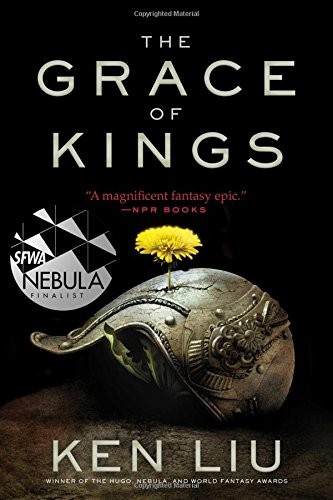
- 86%The Grace of KingsKen Liu / The Dandelion Dynasty
- Closest carryover
- Political intrigue: 5/5 in both books
- Main shift
- Darkness: 5/5 in A Game of Thrones; 4/5 here
- Series status
- Complete series
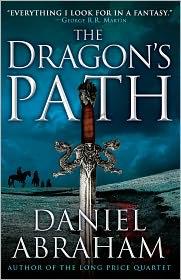
- 84%The Dragon's PathDaniel Abraham / The Dagger and the Coin
- Closest carryover
- Political intrigue: 5/5 in A Game of Thrones; 4/5 here
- Main shift
- Plot complexity: 5/5 in A Game of Thrones; 4/5 here
- Series status
- Complete series
- 79%The City of BrassS. A. Chakraborty / The Daevabad Trilogy
- Closest carryover
- Political intrigue: 5/5 in both books
- Main shift
- Magic presence: Low in A Game of Thrones; High here
- Series status
- Complete series
- 74%Hawkwood's VoyagePaul Kearney / The Monarchies of God
- Closest carryover
- Political intrigue: 5/5 in A Game of Thrones; 4/5 here
- Main shift
- Character focus: 5/5 in A Game of Thrones; 3/5 here
- Series status
- Complete series
- 72%The Blade ItselfJoe Abercrombie / The First Law Trilogy
- Closest carryover
- Darkness: 5/5 in both books
- Main shift
- Plot complexity: 5/5 in A Game of Thrones; 2/5 here
- Series status
- Complete series
- 72%A Shadow in SummerDaniel Abraham / The Long Price Quartet
- Closest carryover
- Political intrigue: 5/5 in A Game of Thrones; 4/5 here
- Main shift
- Darkness: 5/5 in A Game of Thrones; 3/5 here
- Series status
- Complete series
- 55%The Dragonbone ChairTad Williams / Memory, Sorrow, and Thorn
- Closest carryover
- Worldbuilding depth: 5/5 in both books
- Main shift
- Political intrigue: 5/5 in A Game of Thrones; 2/5 here
- Series status
- Complete series
The closest finished alternative to A Game of Thrones in the expanded catalog is The Dandelion Dynasty, beginning with The Grace of Kings. It offers rebellion, rival leaders, war, statecraft, changing technology, and political consequences across a completed four-book epic. Choose The Dagger and the Coin when institutions, banking, and propaganda mattered more, or The First Law Trilogy when morally compromised character voices were the main attraction.
None of these series is a clone of Westeros, and that is the point. A useful recommendation should preserve the part of a book that mattered to you while being honest about what changes. The eight completed fantasy series below cover different parts of the Game of Thrones experience: dynastic politics, gray morality, dangerous choices, military conflict, mythic history, and the feeling that power always has a price.
This guide is for readers looking for books like Game of Thrones without committing to another unfinished central story. Every recommendation has a completed arc, but they differ sharply in pace, prose, magic, darkness, and political complexity.
What makes a fantasy series feel like Game of Thrones?
The surface answer is castles, wars, and rival rulers. Those elements matter, but they do not explain why A Game of Thrones feels different from a conventional heroic quest. Its strongest matches tend to share several deeper qualities:
- Political power is structural. Houses, institutions, debts, marriages, armies, and inherited claims shape what characters can do.
- The cast has competing viewpoints. Readers understand a conflict through people with incompatible loyalties rather than through one unquestioned hero.
- Moral certainty is limited. Sympathetic people make damaging choices, while cruel people can still be intelligent, persuasive, or understandable.
- Consequences accumulate. A private mistake can alter a family, a war, or an entire kingdom much later.
- Magic does not solve the political story. It may be important, but human ambition remains dangerous on its own.
- The world feels older than the plot. History, religion, ancestry, and half-remembered threats exert pressure on the present.
No recommendation below matches every quality equally. The match score measures overall editorial fit, while each section explains where that similarity comes from and where it stops.
1. The Dandelion Dynasty: the closest complete large-scale match
The Grace of Kings begins with resistance to a conquered empire and follows Kuni Garu and Mata Zyndu as unlikely allies, revolutionary leaders, and eventual rivals. Their decisions affect armies, families, administrations, technologies, and the political order that must replace the regime they opposed.
This is the strongest new overall match because politics does not stop when rebellion succeeds. Legitimacy, friendship, class, military reputation, governance, and competing visions of justice continue to create conflict. The wider four-book series then follows consequences across rulers and generations rather than resetting the world around a new quest.
The experience is not Westeros in another costume. Ken Liu uses a broad, sometimes chronicle-like lens, silkpunk engineering, active gods, and a more mythic register. Readers who need intimate chapter-by-chapter identification with a small number of characters may prefer The First Law or The Long Price Quartet.
The Dandelion Dynasty is complete in four large novels. Choose it when the rise and transformation of political systems mattered more than medieval atmosphere or the shock of sudden reversals.
2. The Liveship Traders: the closest family-and-power match
The Vestrit family expects their sentient liveship, Vivacia, to secure its future. Instead, inheritance law, debt, trade, piracy, and an unequal social order pull every member of the family toward a different idea of what ownership and duty mean. The result is a multi-viewpoint political fantasy in which private loyalties and public power are impossible to separate.
Ship of Magic has the closest Matrix profile in this guide, but it ranks second because its focus is narrower than A Game of Thrones. The Dandelion Dynasty better reproduces the search for a completed, world-scale political chronicle. Robin Hobb’s trilogy is the stronger choice when the appeal of Westeros lies in watching families make consequential compromises inside an exploitative system.
The setting is the main change. This is a maritime story of merchants, pirates, sea serpents, and a culture built around living ships, not a contest between royal houses. Sexual violence, child peril, and grief are part of the material, and the opening asks readers to follow several perspectives before its larger conflict becomes clear.
Choose it when you want adult character depth, difficult family loyalties, and political consequence in a completed trilogy. Choose The Grace of Kings when continent-scale rebellion, institutions, and generational rule matter more than a closer domestic conflict.
3. The Dagger and the Coin: the closest institutional match
Daniel Abraham’s five-book series is the strongest choice for readers who want another completed political fantasy built around systems rather than a single chosen hero. War matters, but so do banking, institutional memory, propaganda, trade, and the stories people use to justify authority. That wider definition of power is what makes the series feel close to Westeros even when its plot and world are distinctly its own.
Like A Song of Ice and Fire, the series uses multiple viewpoints to show how the same political crisis looks from different social positions. Decisions made by rulers are experienced by soldiers, merchants, and people whose survival depends on institutions they do not control. Characters can be perceptive in one area and dangerously naive in another, which keeps the conflict from becoming a simple contest between good and evil.
The biggest difference is intensity. The Dagger and the Coin is less committed to shock, cruelty, and sudden loss than Game of Thrones. Its political analysis often feels more deliberate, especially when it examines how fear and repeated falsehoods become normal. The magic presence is low, and the measured pace leaves room for economics and ideology to matter alongside military action.
Choose this series if your favorite parts of Game of Thrones involved councils, alliances, financial pressure, political messaging, and leaders making credible but disastrous decisions. Look elsewhere if dragons, relentless danger, or graphic brutality were the essential ingredients.
4. The Daevabad Trilogy: the best magical court-faction alternative
Nahri enters Daevabad carrying healing power and an uncertain heritage that several factions understand differently. The royal family, religious communities, old warriors, and people excluded from full citizenship all have incompatible accounts of the city’s history and future.
The strongest Westeros connection is inherited conflict. Bloodlines matter because institutions and communities have built claims around them, while old violence continues to determine who is protected and who is expected to forget. Court access and family loyalty can never be separated from wider communal power.
The trilogy has more visible magic, a major romantic thread, and two main viewpoints rather than Martin’s continent-wide ensemble. Its adult crossover tone is also less relentlessly brutal. Those differences place it below the two larger political matches despite a strong calculated fit.
Choose The Daevabad Trilogy when you want a complete medium-length series where court factions, faith, identity, and historical grievance are the central machinery. Start with The Dagger and the Coin when romance and high magic should recede.
5. The Long Price Quartet: the best match for consequences
The Long Price Quartet is less obviously similar to Game of Thrones, but it may be the better recommendation for readers fascinated by consequences. The four books follow people and political relationships across decades. Choices do not disappear when a battle ends or a ruler changes. They harden into resentment, obligation, economic dependence, and damage that later generations must inherit.
Its magic is unusual and politically embedded. Powerful ideas can be given form, and control of those forces affects trade and the balance between nations. Magic therefore functions less like a collection of combat abilities and more like strategic infrastructure. That makes it relevant to readers who liked the way resources, geography, and history constrain power in Westeros.
This is a quiet series. Negotiation, intimacy, regret, and restrained threats carry more weight than battles. The prose is more literary, the pace is slow, and the darkness comes primarily from what people are willing to sacrifice for stability or survival. Its characters age, change, and live long enough to understand some of what they have done.
Choose The Long Price Quartet if you want political fantasy where a decision in one book can reshape lives many years later. It is not the right replacement if you want constant reversals, frequent violence, or the immediate danger associated with the most brutal parts of Game of Thrones.
6. The First Law Trilogy: the darkest character match
Joe Abercrombie’s original First Law Trilogy is the clearest recommendation for readers who valued morally gray characters, sharp dialogue, violence, and the dismantling of heroic expectations. Its central figures are memorable not because they are admirable, but because they are self-aware in some moments and spectacularly self-deceiving in others.
The trilogy shares the adult tone and cynicism of Game of Thrones. Victories are compromised, institutions protect their own interests, and personal improvement is harder than characters want to believe. The story repeatedly asks whether people can escape the identities that violence, status, and habit have built for them.
The political match is weaker. There are rulers, wars, manipulators, and competing interests, but the series is less focused on a dense network of noble houses and inherited claims. Its strongest material is character voice. The plot often places vivid personalities together and lets tension, resentment, and dark humor do as much work as strategy.
The original trilogy forms a complete arc. Additional standalone novels and a later trilogy continue the wider world, but readers can finish Last Argument of Kings without needing those books to complete the first story. Start here when Tyrion, Jaime, Arya, Sandor, or the series’ other compromised survivors mattered more to you than the precise machinery of dynastic succession.
7. The Monarchies of God: the fastest military alternative
Paul Kearney’s The Monarchies of God compresses war, religious division, royal politics, dangerous voyages, and historical change into five comparatively lean volumes. It is the fastest recommendation in this guide and the best choice for readers who want a large conflict without the page count and deliberate expansion associated with many modern epics.
The setting has a harsher historical texture than most high fantasy. Gunpowder, artillery, naval travel, religious authority, and military logistics all affect the balance of power. Kings and commanders make decisions under pressure while conflicts of faith and state turn political fractures into open war. The result feels grounded even when supernatural forces become more visible.
Its closest connection to Game of Thrones is the collision between institutions. Political leaders cannot isolate military, religious, and personal problems from one another. The series is also willing to be ruthless with its cast. However, it moves quickly and devotes less space to interior character development than either Martin or Abercrombie.
Choose The Monarchies of God if you want completed military fantasy with politics, religion, sea voyages, and a grim atmosphere. It is a weaker match if your main pleasure comes from long conversations, fine-grained court maneuvering, or years spent watching characters change gradually.
8. Memory, Sorrow, and Thorn: the classic epic alternative
Tad Williams’ Memory, Sorrow, and Thorn is the option for readers who want a completed epic with court tension, contested power, ancient history, and a more mythic atmosphere. It begins slowly and allows its world to feel ordinary before widening into a conflict shaped by old wrongs and forces that human rulers only partly understand.
The trilogy shares several foundations with A Song of Ice and Fire: a kingdom destabilized by succession, factions with conflicting loyalties, a large world beyond the immediate court, and a supernatural danger emerging around human political failure. It also gives history real weight. Legends are incomplete, inherited stories can mislead, and the past remains politically active.
The difference is moral and tonal. Memory, Sorrow, and Thorn retains more of the structure and hope of classic epic fantasy. It is less brutal, less cynical, and less densely political than Game of Thrones. Its prose is literary, its pace is slow, and readers should expect a long period of immersion before the larger design becomes visible.
Choose this trilogy if you want something between Tolkien and modern political fantasy, especially if completion and old-world grandeur matter more than grimdark intensity. Readers seeking fast action or constant house politics should begin with The Monarchies of God or The Dagger and the Coin instead.
Completed fantasy series comparison
The table below shows why a single list of “similar books” is not enough. Two series can both appeal to Game of Thrones readers while matching entirely different parts of the experience.
- Tone
- Political
- Pace
- Measured
- Romance
- Subplot
- Politics
- 5/5
- Darkness
- 4/5
- World
- 5/5
- Magic
- Medium
- Commitment
- Long series
- Tone
- Political
- Pace
- Slow
- Romance
- Subplot
- Politics
- 5/5
- Darkness
- 4/5
- World
- 5/5
- Magic
- Medium
- Commitment
- Medium series
- Tone
- Political
- Pace
- Measured
- Romance
- Subplot
- Politics
- 4/5
- Darkness
- 4/5
- World
- 4/5
- Magic
- Low
- Commitment
- Medium series
- Tone
- Political
- Pace
- Measured
- Romance
- Major thread
- Politics
- 5/5
- Darkness
- 4/5
- World
- 5/5
- Magic
- High
- Commitment
- Medium series
- Tone
- Melancholic
- Pace
- Slow
- Romance
- Subplot
- Politics
- 4/5
- Darkness
- 3/5
- World
- 4/5
- Magic
- Medium
- Commitment
- Medium series
- Tone
- Grim
- Pace
- Measured
- Romance
- Subplot
- Politics
- 3/5
- Darkness
- 5/5
- World
- 3/5
- Magic
- Low
- Commitment
- Short series
- Tone
- Grim
- Pace
- Fast
- Romance
- Subplot
- Politics
- 4/5
- Darkness
- 5/5
- World
- 4/5
- Magic
- Medium
- Commitment
- Medium series
- Tone
- Mythic
- Pace
- Slow
- Romance
- Subplot
- Politics
- 2/5
- Darkness
- 3/5
- World
- 5/5
- Magic
- Medium
- Commitment
- Medium series
For the closest complete large-scale fit, begin with The Dandelion Dynasty. For institutions and propaganda, choose The Dagger and the Coin; for magical court factions, choose The Daevabad Trilogy. For darkness and character voice, choose The First Law Trilogy. For patient consequences, choose The Long Price Quartet. For military speed, choose The Monarchies of God. For a classic mythic epic, choose Memory, Sorrow, and Thorn.
How we selected these books
Every recommendation was compared with A Game of Thrones using Fantasy Fit Matrix v1.0. The scored axes are political intrigue, darkness, character focus, plot complexity, and worldbuilding depth. Categorical values cover tone, pace, prose difficulty, romance role, magic presence, magic-system type, and reading commitment.
Completion was a requirement for this guide. The Dandelion Dynasty, The Dagger and the Coin, The Daevabad Trilogy, The Long Price Quartet, The Monarchies of God, and Memory, Sorrow, and Thorn all have completed central series. The First Law Trilogy also has a complete original arc, although later books continue to explore the same world.
The percentages are calculated fit scores, not predictions of reader enjoyment. This guide increases the weight of politics, complexity, character, darkness, and worldbuilding, then excludes unfinished central series. The written differences still matter as much as the number.
Read the complete Fantasy Fit Matrix methodology to see how each value is defined.
Frequently asked questions
What is the closest finished series to Game of Thrones?
The Dandelion Dynasty is the closest overall completed match in the expanded catalog. It combines multiple viewpoints, rebellion, political institutions, war, technology, and morally complicated leadership across four finished books. Choose The Dagger and the Coin when banking, propaganda, and institutional authoritarianism are more important than the larger rise-and-fall-of-dynasties scale.
Which completed fantasy series has the darkest characters?
Choose The First Law Trilogy. Its political structure is less intricate than Westeros, but its character work, cynicism, violence, and resistance to heroic fantasy conventions make it the strongest tonal match.
Are all of these fantasy series finished?
Yes, with one qualification. Each recommendation provides a completed central arc. The original First Law Trilogy is complete, but later standalone books and the Age of Madness trilogy continue the history of the same world. They are optional after the original ending.
Which recommendation has the most political intrigue?
The Dandelion Dynasty, The Dagger and the Coin, and The Daevabad Trilogy all score highly for political intrigue. Choose them respectively for state formation, institutional propaganda, or court factions shaped by faith and inherited grievance. Choose The Long Price Quartet for quieter diplomacy and consequences unfolding across decades.
What should I read after Game of Thrones if I prefer classic fantasy?
Start with Memory, Sorrow, and Thorn. It offers a completed epic, a contested kingdom, court tension, old magic, and a large historical world, but with more mythic grandeur and less grimdark brutality.
Where should you start?
If you only want one recommendation, read The Grace of Kings, the first book in The Dandelion Dynasty. It is the strongest complete large-scale option for readers who want politics to continue from rebellion into rule, rivalry, war, and historical consequence.
Choose The Dragon’s Path when institutions and propaganda are your priorities, The City of Brass for magical court factions, or The Blade Itself for character voice and moral compromise. Choose A Shadow in Summer for slow political pressure, Hawkwood’s Voyage for compact military fantasy, or The Dragonbone Chair for a patient and mythic epic.
The right next book is not the one that reproduces every feature of Westeros. It is the one that understands which feature made you want to stay there.
Sources and reviewThe review status, confidence level, and sources behind this guide.
Matrix v1.0 / reviewed / high confidence / reviewed August 14, 2026