The Blade Itself
- Audience
- Adult
- Series
- Complete series
- Commitment
- Short series
A darkly comic character study that dismantles the expected roles of heroic fantasy.
A barbarian, an inquisitor, and a self-absorbed noble move toward a larger conflict in a grim fantasy driven more by voice than plot.
What made the difference?
Fantasy Fit Matrix
Editorial profile confidence: high · Based on this individual book
- Tone
- Grim
- Pace
- Measured
- Magic
- LowSoft system
- Prose
- Moderate
- Romance
- Subplot
Your taste, applied
Make this profile personal.
Start with a book you know. Your private taste profile will explain how this book fits you, not just how it resembles another title.
The reading experience
Why it stands out.
The Blade Itself brings together vivid, compromised characters while delaying much of the conventional epic plot. Its strongest pleasures are voice, friction, and the gap between self-image and behavior.
The wider trilogy grows more politically connected, but this opening book remains primarily a character-driven setup.
Closest reading routes
If you liked The Blade Itself, start here.
Calculated with Matrix v1.0. This book's own series is excluded, and each recommended series appears only once.
The Last Wish
Tone: Grim in both books
Best if: Episodic monster stories with sharp dialogue and ethical ambiguity.
Main shift: Grimdark, Epic Fantasy in The Blade Itself; Sword And Sorcery, Folklore Fantasy, Epic Fantasy here
The Shadow of the Gods
Darkness: 5/5 in both books
Best if: Norse-inspired creatures, shield walls, and close combat.
Main shift: 2/5 in The Blade Itself; 4/5 here
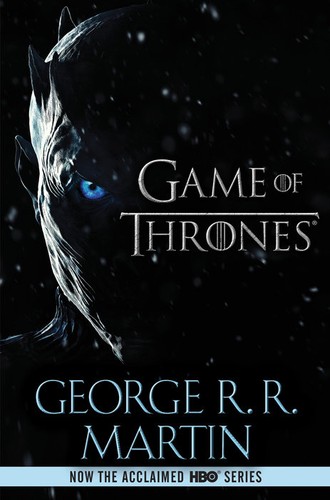
A Game of Thrones
Darkness: 5/5 in both books
Best if: Political intrigue with competing noble houses.
Main shift: 2/5 in The Blade Itself; 5/5 here
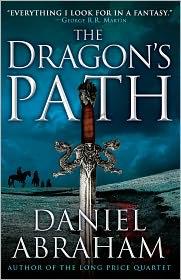
The Dragon's Path
Darkness: 5/5 in The Blade Itself; 4/5 here
Best if: Political fantasy shaped by economics and institutions.
Main shift: 2/5 in The Blade Itself; 4/5 here
Assassin's Apprentice
Character focus: 5/5 in both books
Best if: Deep first-person character immersion.
Main shift: Grim in The Blade Itself; Melancholic here
The complete reading profileFive intensity axes, experience categories, and reading commitment.
Taste intensity / 1-5
Political intrigue
Darkness
Character focus
Plot complexity
Worldbuilding depth
Taste categories
- Prose difficulty
- ModerateAccessible / Moderate / Literary
- Romance role
- SubplotNone / Subplot / Major thread / Central
- Magic presence
- LowLow / Medium / High
- Magic-system type
- SoftNone / Soft / Hard / Hybrid
Reading commitment
This sits outside the taste score so a close match can still be honest about the time it asks from you.
- Series status
- Complete series
- Series commitment
- Short series 3 published books
Reader contextAudience guidance, content advisories, and series changes.
- Intended audience
- Adult
- Profile basis
- Individual book
- The Matrix values describe this volume, not an average for the whole series.
- Series context
- The First Law Trilogy
- Volume 1 of 3 published books.
Reader advisories
- Violence
- Sexual content
- Strong language
- Grief and loss
This is practical guidance, not an exhaustive content-warning list.
How the series changes
The trilogy remains consistently grim while its political and military scope expands after the opening volume.
- Political intrigue
- StartsLower in the openingLaterMore prominent by the finale
- Plot complexity
- StartsSeparate character pathsLaterA more connected conflict
Sources and reviewHow this profile was classified and last reviewed.
Matrix v1.0 / calibrated / high confidence / reviewed 2026-07-22
Editorial guides