Fantasy reader guide
13 Best Completed Fantasy Series, Ranked by Reader Fit
Looking for a finished fantasy series? Compare 13 choices by what actually concludes, where to start, tone, and total reading commitment.
Guide lens
Help adult fantasy readers choose a genuinely completed series by matching its strengths, tradeoffs, and total reading commitment to what they want next.
Quick answer
The recommendations at a glance
The order combines editorial judgment, Matrix distinctions, commitment, and the specific reader each series serves best.
Scan all 13 recommendations
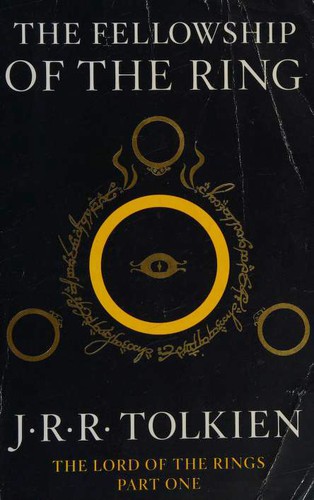
- #1The Lord of the RingsStart with The Fellowship of the Ring
- Best if
- you want the foundational modern epic: mythic language, deep history, fellowship, moral weight, and one fully resolved quest.
- Length
- 3 books
- #2Mistborn: The Original TrilogyStart with Mistborn: The Final Empire
- Best if
- you want the most approachable modern trilogy here, with hard magic, rebellion, major reveals, and a clean three-book payoff.
- Length
- 3 books
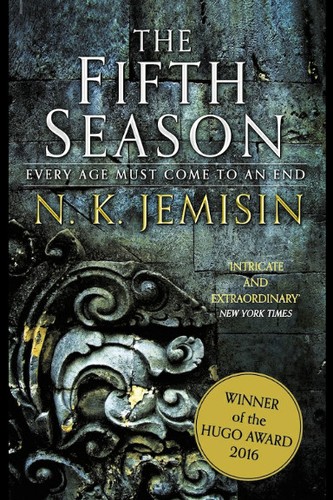
- #3The Broken EarthStart with The Fifth Season
- Best if
- you want literary ambition, structural invention, systemic oppression, intimate grief, and world-scale consequences.
- Length
- 3 books
- #4The First Law TrilogyStart with The Blade Itself
- Best if
- you want morally compromised characters, dark humor, memorable voices, violence, and a complete grimdark trilogy.
- Length
- 3 books
- #5The Green Bone SagaStart with Jade City
- Best if
- you want a modern family saga where clan loyalty, politics, economics, technology, and magical jade change across a generation.
- Length
- 3 books
- #6EarthseaStart with A Wizard of Earthsea
- Best if
- you want concise, mythic books about power, identity, balance, aging, and the consequences of mastery.
- Length
- 6 books
- #7The Dandelion DynastyStart with The Grace of Kings
- Best if
- you want a completed generational epic about rebellion, statecraft, war, invention, and the difficult work of replacing an empire.
- Length
- 4 books
- #8The Wheel of TimeStart with The Eye of the World
- Best if
- you want the largest traditional epic here: prophecy, cultures, politics, magic, war, and fourteen completed main novels.
- Length
- 14 books
- #9DiscworldStart with Guards! Guards!
- Best if
- you want a flexible completed world, sharp comedy, institutional satire, and a strong entry through the City Watch novels.
- Length
- 41 books
- #10Memory, Sorrow, and ThornStart with The Dragonbone Chair
- Best if
- you want a patient bridge between Tolkien-like myth and modern political epic fantasy, with court tension and buried history.
- Length
- 3 books
- #11Malazan Book of the FallenStart with Gardens of the Moon
- Best if
- you want maximum world depth, military campaigns, gods, ancient peoples, moral ambiguity, and a ten-book cumulative puzzle.
- Length
- 10 books
- #12The Daevabad TrilogyStart with The City of Brass
- Best if
- you want a completed court fantasy shaped by djinn history, communal conflict, contested inheritance, and consequential romance.
- Length
- 3 books
- #13The Tide Child TrilogyStart with The Bone Ships
- Best if
- you want a completed maritime trilogy with naval culture, strange ecology, an earned crew, and a single protagonist who changes substantially.
- Length
- 3 books
The best completed fantasy series is The Lord of the Rings. It stands first not because every modern reader will find it the easiest or most immediately entertaining choice, but because Tolkien’s complete epic became the foundational reference point for modern secondary-world fantasy. Its invented history, languages, landscapes, moral seriousness, fellowship, and melancholy still define many of the possibilities that later series expand, reject, or reinterpret.
That does not make it the automatic recommendation for everyone. Choose Mistborn: The Original Trilogy for accessible prose, hard magic, and a fast modern entry. Choose The Broken Earth for literary and structural ambition, The First Law Trilogy for grim characters and dark humor, The Dandelion Dynasty for revolution and statecraft, or Discworld when you want comedy and a flexible reading route.
This guide ranks thirteen completed fantasy series, but the order is only the beginning of the decision. Every entry explains what the series does best, what it asks from the reader, and why a lower-ranked choice may be the better fit for a particular taste.
What counts as a completed fantasy series?
A series qualifies here when its named central sequence has a published conclusion. A wider world may continue, but the recommended sequence must deliver the ending it promised. That distinction matters for The First Law Trilogy, whose world continues in later novels. Discworld is the deliberate exception to the linear model: the world is complete, while its character routes provide several satisfying entry and stopping points.
Completion does not mean every mystery in a fictional world has been exhausted. It means the reader is not waiting for a missing volume to resolve the central story. The ranking also treats commitment honestly. Three demanding novels can require more attention than six concise ones, while fourteen books can be the right choice for a reader actively seeking years of immersion.
The order combines five considerations:
- A real ending. The central sequence must be complete rather than merely paused.
- A distinct reading promise. Each series should offer a recognizable reason to choose it.
- Start-to-finish payoff. Later books should develop, complicate, or complete what the opening establishes.
- Reader accessibility. Prose, structure, content, and commitment affect how broadly a series can be recommended.
- Lasting value. Influence matters, but it does not override the actual experience of reading the books now.
The Fantasy Fit Matrix supplies a shared language for tone, pace, politics, darkness, character focus, plot complexity, prose, romance, magic, worldbuilding, and commitment. The ranking itself remains editorial. There is no honest formula that can prove one finished series is universally better than another.
1. The Lord of the Rings: the foundational completed epic
The Lord of the Rings follows Frodo’s attempt to carry the One Ring out of the Shire and ultimately destroy it in the only place where that task is possible. What begins as a quiet departure from home expands into a fellowship, a divided journey, a war, and a confrontation with a history much older than any living character.
Its first-place position rests on more than fame. Tolkien made language, landscape, song, genealogy, myth, and moral choice feel like parts of the same constructed world. Later epic fantasy can be faster, darker, more psychologically intimate, or more politically intricate, but it still works in a field that The Lord of the Rings helped establish. This is why it remains the clearest starting point for understanding modern epic fantasy as a tradition.
The trilogy label needs one qualification. Tolkien wrote one continuous novel, published in three volumes between 1954 and 1955. Readers therefore receive a single complete design rather than three largely independent adventures. The practical commitment is medium, but the literary prose, songs, descriptive passages, and gradual opening can make it feel more demanding than its volume count suggests.
Choose it for mythic atmosphere, moral weight, friendship, sacrifice, and a world that seems to extend far beyond the route taken by the characters. Start elsewhere if you need immediate action, close psychological narration, or magic explained through dependable rules.
2. Mistborn: The Original Trilogy: the best modern entry point
Mistborn: The Original Trilogy begins with a crew attempting to overthrow an immortal ruler. Vin enters that plan as a distrustful street thief and discovers both a new community and an unusual ability to use several metal-based magical powers. The first novel combines rebellion, training, political infiltration, and parts of a heist structure.
The trilogy ranks second because it is the easiest broad recommendation on the list. The prose is accessible, the magic has visible rules, the opening goal is immediately understandable, and the final book completes a mystery that has been expanding since the beginning. Each volume changes the nature of the problem rather than merely repeating the first book’s formula.
Its strength is also its main tradeoff. Readers are taught how Allomancy works, and plot revelations receive more emphasis than linguistic texture or ambiguity. That makes the series highly satisfying for readers who enjoy mechanics and payoff, but less suitable for those seeking the mystery of Tolkien, the compression of Le Guin, or the interior difficulty of Jemisin.
Choose Mistborn when you want a complete modern trilogy with action, hard magic, friendship, revolution, and an ending designed as part of the original arc. It is the most practical first answer for a reader who wants to finish a substantial fantasy story without entering a ten-book commitment.
3. The Broken Earth: the most ambitious completed trilogy
The Broken Earth begins at the end of the world, but its real focus is how catastrophe is distributed through families and institutions. People capable of affecting the earth are controlled by a society that depends on their power and fears them. The trilogy connects planetary instability with intimate grief, oppression, survival, and the stories a culture tells to justify violence.
It ranks third because its structure is inseparable from its argument. Perspective, chronology, revelation, and worldbuilding are not decorative puzzles placed on top of the plot. They change how the reader understands identity, responsibility, and the apparent categories of the world. The three novels form an unusually tight completed design.
This is not an emotionally neutral recommendation. The darkness is severe, child peril is central, and the narration deliberately creates friction. Readers looking for a conventional heroic quest or a restorative escape should not mistake its awards and reputation for universal accessibility.
Choose it when you want fantasy that takes formal risks and asks the reader to connect personal damage with systemic power. Its three-book commitment is manageable in length, but its emotional and structural commitment is among the highest in the ranking.
4. The First Law Trilogy: the best completed grimdark arc
The First Law Trilogy gathers a barbarian trying to become a better man, a torturer shaped by his own suffering, a vain young officer, and several other compromised figures around war and political manipulation. The opening volume is less interested in rushing toward a conventional quest than in letting these voices collide.
The trilogy ranks fourth because Joe Abercrombie’s strongest tool is character self-deception. People can understand their faults and still repeat them. Heroic roles are offered, mocked, and dismantled, while dark humor keeps the experience from becoming uniformly bleak. The original three books complete their central arc even though later standalones and the Age of Madness trilogy continue the same world’s history.
Readers should expect the first book to feel like setup. Plot complexity and political scope grow later, but voice and friction are the immediate attractions. The violence and cynicism are substantial, and the series offers little of the reassuring moral order found in classic epic fantasy.
Choose The First Law when memorable, morally unstable people matter more than noble causes or elaborate magic. Avoid it when you need genuine optimism, fast early convergence, or characters whose development follows a comforting upward line.
5. The Green Bone Saga: the best completed family and political saga
The Green Bone Saga follows the Kaul family and its conflict with a rival clan over magical jade, social authority, and the future of the island nation of Kekon. The conflict moves from streets and family rooms into business, government, international pressure, and generational change.
The trilogy ranks fifth because it makes politics personal without reducing politics to personal grudges. Tradition, economics, migration, technology, and foreign influence reshape what clan power means. Characters age, relationships accumulate damage, and decisions alter both the family and the country around it.
This is not medieval European fantasy. Its secondary world has modern cities, cars, offices, media, and international institutions. Magic is socially important but relatively restrained, with jade functioning as a source of power that also carries cultural and political meaning.
Choose it when you want the intimacy of a family drama joined to the scale of an epic. It is especially strong for readers who value political intrigue, character consequence, and a completed story that allows time itself to transform the cast.
6. Earthsea: the most philosophical completed cycle
Earthsea begins with Ged, a gifted young mage whose pride releases a shadow he cannot simply defeat through greater force. Across six central books, Ursula K. Le Guin moves beyond that coming-of-age story to different protagonists, stages of life, and questions about power, gender, death, balance, and the limits of institutions.
Earthsea ranks sixth because it achieves unusual depth without epic bulk. Individual books are concise, yet the cycle changes perspective over decades and revisits assumptions established by its earliest volumes. The language is compressed and mythic rather than heavily explanatory.
Readers expecting one continuous hero may be surprised. Ged remains important, but Earthsea is larger than his biography. The magic is rooted in true names and balance, not a tactical catalogue of spells, and action is often subordinate to moral or philosophical consequence.
Choose Earthsea when you want a complete fantasy cycle that can be read slowly and reconsidered over time. Its primary audience begins younger than most entries here, but its crossover value and later perspectives make it one of the richest adult rereads on the list.
7. The Dandelion Dynasty: the best completed epic of revolution and statecraft
The Dandelion Dynasty begins with the fall of an empire and two unlikely allies who help make that fall possible. Kuni Garu and Mata Zyndu share a rebellion but disagree about what should replace the old order, turning victory into the beginning of a much longer political history.
The four-book series ranks seventh because it offers something the higher entries only partly provide: a generational view of governing after revolution. Campaigns, engineering, administration, ideology, family, and technological change all affect the shape of Dara. Ken Liu’s silkpunk inventions give the setting a material identity beyond familiar medieval weapons and institutions.
Its broad, chronicle-like perspective is the principal tradeoff. Individual relationships matter, but the narrative is willing to move outward into history and statecraft rather than remaining close to one protagonist. The political and military density also makes four substantial volumes feel larger than the number suggests.
Choose it when the construction of a dynasty sounds as interesting as the rebellion that begins it. Readers seeking intimate single-viewpoint fantasy or a small adventuring party should start elsewhere.
8. The Wheel of Time: the largest required completed sequence
The Wheel of Time begins when an attack forces several villagers to leave the Two Rivers under the guidance of Moiraine. The recognizable quest structure gradually opens into nations, prophecies, magical institutions, wars, cultural conflicts, and a cast large enough to carry many simultaneous parts of the final struggle.
The series ranks eighth despite being one of the defining modern epics because commitment changes the recommendation. Fourteen main novels offer enormous immersion and a published conclusion, completed by Brandon Sanderson from Robert Jordan’s material after Jordan’s death. They also require patience through repetition, expanding viewpoints, and a middle stretch many readers experience as slow.
Its great reward is accumulation. Places that seem distant become politically important, secondary figures acquire larger roles, and separate threads eventually converge. The first volume only hints at how much broader the series becomes.
Choose The Wheel of Time when you actively want a long relationship with one world. Do not choose it merely because completion sounds safe. A finished fourteen-book epic is still a major commitment, and the scale should be part of the attraction rather than a cost you hope not to notice.
9. Discworld: the best completed world with flexible reading routes
Discworld contains forty-one novels, but it should not be approached as one forty-one-book plot. The books form linked routes around recurring characters and institutions. Guards! Guards!, the first City Watch novel, is one of the strongest adult entry points: a neglected police force confronts a dragon, a conspiracy, and the possibility that public service matters.
Discworld ranks ninth because it offers extraordinary range with unusually low entry friction. Terry Pratchett uses comic fantasy to examine class, policing, religion, journalism, war, technology, death, and the stories societies tell about themselves. Readers can follow the Watch, Witches, Death, Moist von Lipwig, or another route without first completing the earliest books.
That flexibility is also why it sits below the linear epics. There is no single central conflict whose resolution closes all forty-one novels. Completion means that Pratchett’s published world and its major routes are finished, not that every book builds toward one finale.
Choose Guards! Guards! when you want character growth, city politics, humane satire, and several later Watch books to explore. Choose Small Gods instead when you want a nearly standalone demonstration of Pratchett’s philosophical comedy.
10. Memory, Sorrow, and Thorn: the bridge from classic to modern epic fantasy
Memory, Sorrow, and Thorn begins close to one young kitchen worker and the routines of a great castle. A succession crisis, divided loyalties, old wrongs, and a returning supernatural danger gradually widen that intimate beginning into a large completed epic.
The trilogy earns tenth place because it sits productively between traditions. It preserves the melancholy, history, and mythic atmosphere associated with Tolkien while giving court tension, factions, and political failure more room to shape the conflict. It is a useful bridge for readers moving between classic fantasy and later political epics.
The opening is famously patient. Daily life, observation, and setting receive substantial attention before the larger design becomes obvious. The prose is literary, and readers who judge the whole trilogy by the speed of its earliest chapters may leave before its strongest contrasts emerge.
Choose it when you want old-world grandeur, a complete quest, and political complication without grimdark cynicism. Choose Mistborn or The First Law first when you need a sharper modern hook.
11. Malazan Book of the Fallen: the most demanding completed epic
Malazan Book of the Fallen enters an ongoing imperial campaign with little introductory explanation. Soldiers, mages, assassins, gods, ancient peoples, and competing powers already have histories before the reader arrives. Later books change location and cast while revealing how apparently separate conflicts belong to a much larger design.
It ranks eleventh because its achievement and its entry cost cannot be separated. Ten completed main novels offer military scale, archaeology-like layers of history, moral ambiguity, brutality, compassion, and cumulative revelation. The same density that inspires devoted readers makes it the least forgiving opening on the list.
This is not a conventional story of one hero growing into a destiny. Context often arrives after it first becomes relevant, chronology can be indirect, and magic is powerful without being fully systematized for the reader. The wider Malazan world also contains other sequences, but Book of the Fallen itself is complete.
Choose Malazan when confusion can feel like discovery and when assembling a world is part of the pleasure. Avoid it if you need a stable central cast, immediate orientation, or a series that can be read casually after long gaps.
12. The Daevabad Trilogy: the best completed magical-court choice
The Daevabad Trilogy begins when Nahri, a con artist in eighteenth-century Cairo, accidentally summons a djinn warrior. Their journey leads to Daevabad, a hidden city where Nahri’s healing ability and uncertain inheritance threaten a royal order already divided by faith, ancestry, and old violence.
The trilogy ranks twelfth because it is a more specific recommendation than the broad epics above it. Its strongest promise is a magical court whose communities remember the same history differently. Royal control, discrimination, rebellion, family claims, and romantic loyalties develop across a complete three-book arc.
Romance is a major thread rather than the sole plot, and the politics require attention to several factions with justified grievances and serious blind spots. Readers looking for simple heroes and villains will not find them, but neither is the trilogy as structurally difficult as Malazan or as long as Wheel of Time.
Choose Daevabad when you want vivid magic, court politics, consequential romance, and a completed medium-length commitment. Avoid it when romance needs to be absent or when political ambiguity feels like unnecessary friction.
13. The Tide Child Trilogy: the best completed maritime epic
The Tide Child Trilogy begins aboard a condemned warship crewed by people with few better options. Joron Twiner loses command to the formidable Lucky Meas, and their mission to protect the first sea dragon seen in generations pulls them into a war and an ecology their own societies have helped damage.
It ranks thirteenth because it is a more specialised promise than the large political, mythic, and literary series above it. What it offers exceptionally well is a complete nautical world whose language, gender order, class system, warfare, and environmental crisis all reinforce the same story. Joron’s growth matters, but no romance is required to make the crew’s loyalty feel earned.
The opening asks for patience with unfamiliar nautical terms and a world that does not immediately translate itself. The vocabulary is a source of texture rather than literary difficulty, but readers who need instant orientation may prefer Mistborn or The First Law.
Choose it when an unusual world and a hard-won crew matter more than courts or spell systems. It is one of the shortest complete epics here, but its three books still deliver the sense of a world changing under pressure.
Completed fantasy series comparison
The opening book cannot represent every change a long series makes, but it can show the initial reading contract. The table below compares those entry points while keeping the full series commitment visible.
- Tone
- Mythic
- Pace
- Slow
- Romance
- None
- Politics
- 2/5
- Darkness
- 3/5
- World
- 5/5
- Magic
- Medium
- Commitment
- Medium series
- Tone
- Adventurous
- Pace
- Fast
- Romance
- Subplot
- Politics
- 4/5
- Darkness
- 4/5
- World
- 4/5
- Magic
- High
- Commitment
- Medium series
- Tone
- Grim
- Pace
- Measured
- Romance
- Subplot
- Politics
- 3/5
- Darkness
- 5/5
- World
- 5/5
- Magic
- High
- Commitment
- Medium series
- Tone
- Grim
- Pace
- Measured
- Romance
- Subplot
- Politics
- 3/5
- Darkness
- 5/5
- World
- 3/5
- Magic
- Low
- Commitment
- Short series
- Tone
- Political
- Pace
- Measured
- Romance
- Subplot
- Politics
- 5/5
- Darkness
- 4/5
- World
- 5/5
- Magic
- Medium
- Commitment
- Medium series
- Tone
- Mythic
- Pace
- Measured
- Romance
- None
- Politics
- 1/5
- Darkness
- 3/5
- World
- 4/5
- Magic
- High
- Commitment
- Medium series
- Tone
- Political
- Pace
- Measured
- Romance
- Subplot
- Politics
- 5/5
- Darkness
- 4/5
- World
- 5/5
- Magic
- Medium
- Commitment
- Long series
- Tone
- Adventurous
- Pace
- Measured
- Romance
- Subplot
- Politics
- 2/5
- Darkness
- 3/5
- World
- 5/5
- Magic
- High
- Commitment
- Long series
- Tone
- Humorous
- Pace
- Fast
- Romance
- Subplot
- Politics
- 4/5
- Darkness
- 3/5
- World
- 4/5
- Magic
- Medium
- Commitment
- Long series
- Tone
- Mythic
- Pace
- Slow
- Romance
- Subplot
- Politics
- 2/5
- Darkness
- 3/5
- World
- 5/5
- Magic
- Medium
- Commitment
- Medium series
- Tone
- Grim
- Pace
- Measured
- Romance
- Subplot
- Politics
- 4/5
- Darkness
- 4/5
- World
- 5/5
- Magic
- High
- Commitment
- Long series
- Tone
- Political
- Pace
- Measured
- Romance
- Major thread
- Politics
- 5/5
- Darkness
- 4/5
- World
- 5/5
- Magic
- High
- Commitment
- Medium series
- Tone
- Melancholic
- Pace
- Measured
- Romance
- None
- Politics
- 4/5
- Darkness
- 4/5
- World
- 5/5
- Magic
- Medium
- Commitment
- Medium series
Choose by the experience you want
- For the foundational epic: choose The Lord of the Rings.
- For accessible hard magic and payoff: choose Mistborn: The Original Trilogy.
- For literary structure and emotional severity: choose The Broken Earth.
- For grim characters and dark humor: choose The First Law Trilogy.
- For family, politics, and social change: choose The Green Bone Saga.
- For mythic compression and philosophy: choose Earthsea.
- For revolution, statecraft, and generational change: choose The Dandelion Dynasty.
- For maximum linear epic immersion: choose The Wheel of Time.
- For comedy and flexible reading routes: start Discworld with Guards! Guards!.
- For a patient classic-to-modern bridge: choose Memory, Sorrow, and Thorn.
- For the most demanding world-scale puzzle: choose Malazan Book of the Fallen.
- For a magical court, political factions, and romance: choose The Daevabad Trilogy.
- For naval warfare, strange ecology, and earned crew loyalty: choose The Tide Child Trilogy.
Frequently asked questions
What is the best completed fantasy series?
The Lord of the Rings ranks first in this guide because it combines a complete central journey with extraordinary historical influence, deep worldbuilding, mythic language, and thematic coherence. It is not the easiest choice for every reader. Mistborn is more accessible, while The Broken Earth is structurally bolder and The First Law is darker and more character-driven.
Is The Lord of the Rings a trilogy?
It is commonly sold and discussed as a trilogy because it was published in three volumes: The Fellowship of the Ring, The Two Towers, and The Return of the King. It is more precise to think of it as one continuous novel divided for publication. This guide treats the three-volume reading experience as a completed series commitment.
Which completed fantasy series is easiest to start?
Choose Mistborn: The Original Trilogy. Its opening goal is clear, the prose is accessible, the magic rules are taught directly, and the central three-book story is self-contained. Choose The Daevabad Trilogy instead when magical court politics and romance matter more than hard-magic mechanics.
Which completed epic fantasy series is longest?
The Wheel of Time is the longest required linear sequence here at fourteen main novels, while Malazan Book of the Fallen contains ten. Discworld has forty-one novels, but they form optional linked routes rather than one mandatory plot. Wheel of Time therefore asks for the largest commitment to reach one central ending.
Do I need to read all of Discworld?
No. Its forty-one novels form several linked character routes rather than one required sequence. This guide uses Guards! Guards! as the entry point to the City Watch route because it establishes a lasting cast and requires no earlier Discworld knowledge. The Discworld series guide shows other ways into the world.
Does complete mean the author never returned to the world?
No. It means the named sequence has a published conclusion. The First Law Trilogy has later books in the same world, while Discworld consists of completed linked routes rather than one central sequence. These qualifications matter because a useful completion label should describe what actually ends, not merely display a green badge.
Where should you start?
Start with The Fellowship of the Ring when you want to read the foundational completed epic and are comfortable with literary prose and a patient opening. Start with Mistborn: The Final Empire when you want the safest modern entry, The Grace of Kings for revolution and statecraft, or Guards! Guards! for comedy without a mandatory forty-one-book commitment.
The value of choosing a completed fantasy series is not simply that the final volume exists. It is knowing what kind of journey reaches that ending, how much time it asks from you, and whether the qualities sustained across the series are the ones you actually want to live with.
Sources and reviewThe review status, confidence level, and sources behind this guide.
Matrix v1.0 / reviewed / high confidence / reviewed August 6, 2026
- Hachette: The Bone Ships
- The Tolkien Estate: J.R.R. Tolkien biography
- Penguin Random House: The Lord of the Rings series
- Brandon Sanderson: Original Mistborn Trilogy
- Orbit: The complete Broken Earth trilogy
- Joe Abercrombie: The First Law Trilogy
- Fonda Lee: Jade Legacy
- Ursula K. Le Guin: Earthsea bibliography
- Simon & Schuster: The Grace of Kings
- Macmillan: The Wheel of Time series
- Terry Pratchett: Guards! Guards!
- Tad Williams: Memory, Sorrow, and Thorn
- Macmillan: Malazan Book of the Fallen
- S. A. Chakraborty: The Daevabad Trilogy