Fantasy reader guide
13 Best Dark Fantasy Books, Ranked by Reader Fit
The best dark fantasy books for adults, from literary catastrophe and grimdark to gothic romance, dark academia, folklore, and brutal adventure.
Guide lens
Help adult fantasy readers choose the right kind of dark fantasy by separating atmosphere, violence, horror, moral ambiguity, romance, prose, and emotional intensity.
Quick answer
The recommendations at a glance
The order combines editorial judgment, Matrix distinctions, commitment, and the specific reader each book serves best.
Scan all 13 recommendations
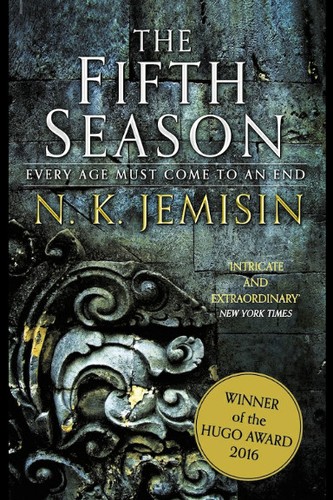
- #1The Fifth SeasonN. K. Jemisin / The Broken Earth
- Best if
- you want the strongest all-round adult dark fantasy: literary ambition, systemic oppression, grief, catastrophe, and a complete trilogy.
- Commitment
- Medium series
- #2The Blade ItselfJoe Abercrombie / The First Law Trilogy
- Best if
- you want morally compromised characters, sharp voices, black humor, and a completed grimdark trilogy.
- Commitment
- Short series
- #3The Poppy WarR. F. Kuang / The Poppy War
- Best if
- you want an academy-to-war story that becomes a complete, historically informed military fantasy with severe consequences.
- Commitment
- Medium series
- #4Ninth HouseLeigh Bardugo / Ninth House
- Best if
- you want adult dark academia, occult investigation, ghosts, secret societies, and a protagonist confronting protected institutional power.
- Commitment
- Medium series
- #5The Shadow of the GodsJohn Gwynne / The Bloodsworn Saga
- Best if
- you want a completed Norse-inspired trilogy of warrior bands, revenge, dead gods, monsters, and physical battle.
- Commitment
- Medium series
- #6The Sword of KaigenM. L. Wang
- Best if
- you want a standalone military fantasy in which violence, family, propaganda, and grief all have lasting emotional cost.
- Commitment
- Single book
- #7The Blacktongue ThiefChristopher Buehlman / Blacktongue
- Best if
- you want a dangerous road adventure, dense worldbuilding, strange magic, and a narrator who answers horror with black humour.
- Commitment
- Medium series
- #8One Dark WindowRachel Gillig / The Shepherd King
- Best if
- you want gothic atmosphere, a complete duology, dangerous magic, a monster within, and a substantial romantic thread.
- Commitment
- Short series
- #9The Last WishAndrzej Sapkowski / The Witcher
- Best if
- you want monster hunting, revised folklore, sharp dialogue, moral ambiguity, and a low-commitment first step into The Witcher.
- Commitment
- Long series
- #10A Deadly EducationNaomi Novik / The Scholomance
- Best if
- you want a complete lethal-school trilogy with a difficult heroine, monster attacks, black humour, and a real thread of hope.
- Commitment
- Medium series
- #11The Bear and the NightingaleKatherine Arden / The Winternight Trilogy
- Best if
- you want winter folklore, religious fear, family pressure, and dark atmosphere without grimdark brutality.
- Commitment
- Medium series
- #12The Rage of DragonsEvan Winter / The Burning
- Best if
- you want relentless training, caste conflict, revenge, dragons, and a brutal action-driven reading experience.
- Commitment
- Long series
- #13The Library at Mount CharScott Hawkins
- Best if
- you want a complete adult dark fantasy that is brutal, strange, funny, and willing to overturn your understanding of the story.
- Commitment
- Single book
The best dark fantasy book for most adult readers is The Fifth Season. It is dark in every meaningful sense: its world is unstable, its society is cruel, its characters carry grief that cannot be separated from politics, and its magic is bound to oppression and survival. Crucially, the darkness produces a complete story with extraordinary character and structural depth rather than simply a high body count.
That is not necessarily the book you should read next. Choose The Blade Itself for sharp character voices and black humour, Ninth House for occult dark academia, One Dark Window for gothic romance, The Shadow of the Gods for a completed violent Norse epic, or The Bear and the Nightingale for a slower folklore darkness built from winter, fear, and control.
Dark fantasy is not one exact level of violence. It is a family of reading experiences in which dread, moral compromise, death, horror, corruption, or a damaged world materially shape the story. This guide ranks twelve books, then makes the relevant type of darkness visible before you commit.
What counts as dark fantasy?
Dark fantasy does not simply mean that a book has a high Darkness score in the Fantasy Fit Matrix. A five out of five can describe very different experiences. The Fifth Season is dark because of family loss, systemic oppression, catastrophe, and structural revelation. The Blade Itself is dark because of cruelty, cynicism, and characters who repeatedly expose the limits of heroic fantasy. One Dark Window is dark because of a cursed kingdom, bodily risk, dread, and gothic intimacy.
For this guide, a book belongs when darkness is central to its promise rather than incidental colour. That can come from:
- Brutality and war: battle, trauma, social violence, and irreversible consequence.
- Horror and dread: monsters, ghosts, possession, bodily risk, or a setting that feels unsafe.
- Moral darkness: compromise, revenge, power, institutional cruelty, and people who cannot act cleanly.
- Gothic atmosphere: secrets, curses, winter, decay, forbidden magic, and the pressure of the past.
Dark does not automatically mean hopeless. Some of these books contain loyalty, humour, romance, recovery, or a hard-won ending. The useful question is whether those elements relieve the darkness, sharpen it, or coexist with it.
1. The Fifth Season: the best dark fantasy book overall
The Stillness is a continent regularly shattered by catastrophic geological events. People with the ability to control the earth are feared, controlled, trained, and used by the society that depends on them. Against that setting, three women move through different forms of grief, survival, and power, while the shape of their connection slowly changes what the reader understands about the world.
The Fifth Season ranks first because its darkness is not an aesthetic coating. Catastrophe, oppression, family loss, and environmental collapse govern the choices available to every character. N. K. Jemisin also gives those pressures a form equal to their content: the nonlinear structure and shifts in perspective make the reader work through absence, memory, and revelation rather than merely observing suffering at a distance.
The complete Broken Earth trilogy is essential to the payoff. This is not a light opening that becomes darker later, and it is not a conventional quest. Child peril, trauma, grief, violence, and sexual-content advisories are part of the reading contract from the beginning.
Choose The Fifth Season when you want literary ambition and emotional severity in equal measure. Choose The Blade Itself for a more voice-driven grimdark experience, or The Shadow of the Gods when you want faster battle and mythic action.
2. The Blade Itself: the best character-first grimdark fantasy
Joe Abercrombie introduces a barbarian who would prefer a quiet life, an inquisitor whose work makes ordinary cruelty official, and a vain nobleman who has mistaken his own self-image for a moral character. They are drawn toward a larger conflict, but the first book’s real pleasure is watching their voices collide with reality.
The Blade Itself is grimdark without becoming uniform misery. Its black humour matters because it exposes the gap between what characters believe about themselves and what they do under pressure. Violence is ugly, institutions are compromised, and heroic roles are repeatedly made unstable, but the prose has enough wit that the book remains pleasurable rather than merely punitive.
It ranks second because readers looking for a fast plot may find the opening deliberately patient. The First Law Trilogy is complete, and the later books create a fuller political and military argument, but this first volume is primarily a character study with blades, pain, and spectacularly poor judgment.
Choose it for voices, moral compromise, and dark humour. Choose The Poppy War for a more purposeful academy-to-war escalation, or The Blacktongue Thief when you want a dangerous journey with more adventurous momentum.
3. The Poppy War: the best dark military fantasy
Rin earns a place at Sinegard, a military academy that offers a route out of the future others have planned for her. Training, rivalry, class pressure, and the discovery of frightening power initially suggest a familiar academy story. War changes that promise. Empire, atrocity, vengeance, and the costs of wielding power become central instead.
The Poppy War is the recommendation for readers who want darkness rooted in historical violence and political consequence. Rin’s ambition is real, but the trilogy does not turn it into a clean empowerment narrative. The more power she gains, the more destructive choices become possible, and the more difficult it is to draw a stable moral boundary around anyone’s actions.
Its fast pace and accessible prose make it easier to enter than The Fifth Season, but not emotionally safer. The complete trilogy includes violence, grief, child peril, sexual content, strong language, and scenes shaped by atrocity. Romance is not part of its compensating appeal.
Choose it for war, power, and consequences that do not reset. Avoid it when you need a hopeful academy adventure, a romance, or a gentler version of military fantasy. A Deadly Education offers lethal schooling with more humour and warmth; The Shadow of the Gods offers physical combat with a more mythic setting.
4. Ninth House: the best urban dark fantasy and dark academia
Galaxy “Alex” Stern is recruited to Yale because she can see ghosts. That ability places her inside Lethe, a secretive organisation charged with monitoring the occult rituals of elite societies. The job is not glamorous. Magic gives already powerful people another system through which they can hide harm, make demands, and expect protection from ordinary consequences.
Ninth House is dark fantasy for readers who want the horror to feel institutional as well as supernatural. The ghosts, rituals, and hidden societies are real sources of danger, but so are wealth, reputation, trauma, and the ways an institution decides which lives are worth protecting. Alex is not a polished chosen heroine; she is a survivor whose anger and judgment are part of what makes the book work.
It ranks fourth because the Ninth House series is ongoing and its nonlinear investigation asks for patience. Its content advisories are substantial: violence, sexual content, strong language, horror elements, and grief. Do not mistake “dark academia” for a safer version of magical school fantasy.
Choose it for an adult occult mystery with real bite. Choose A Deadly Education for a complete school-based series with more momentum and eventual hope, or One Dark Window for a secondary-world gothic alternative.
5. The Shadow of the Gods: the best completed Norse dark fantasy
In Vigrid, gods are dead but far from irrelevant. Their bodies, bloodlines, and old wars continue to shape the people who live among their remains. Orka, Elvar, and Varg each pursue a separate purpose through warrior bands, bonded loyalties, rescue, fame, and revenge, while their paths begin to reveal a larger threat.
The Shadow of the Gods is the best dark choice for readers who want battle, monsters, Norse texture, and a completed modern trilogy. John Gwynne makes violence frequent and physical, but the book is not built on empty cruelty. Family loyalty, friendship, and the possibility of defending someone still matter. They simply have to survive a world where protection is never guaranteed.
It appears above some more psychologically severe books because it is unusually clear about what it delivers: fast pacing, several active viewpoints, dark myth, and combat that carries emotional weight. The tradeoff is that court intrigue and romance are minor. This is a warrior-band epic, not a gothic mystery or relationship drama.
Choose it for brutality with loyalty at its centre. Choose The Blade Itself for sharper cynicism and character voice, or The Rage of Dragons for an even more relentless training-and-revenge engine, while accepting that the latter is unfinished.
6. The Sword of Kaigen: the best dark standalone
The Matsuda family lives in an isolated community celebrated as the defensive blade of an empire. Mamoru believes in the myths and duties he has inherited. His mother Misaki has spent years concealing a wider life and a more complicated understanding of what the community’s honour requires.
The Sword of Kaigen is the best dark fantasy option for readers who want one decisive book rather than a series. It has military power, elemental combat, propaganda, history, and cultural pressure, but the lasting wound comes from family. War does not merely test whether characters can win. It exposes the stories they have told themselves about parenthood, strength, and what loyalty permits.
It ranks sixth because it is intense enough to be a poor first dark-fantasy choice for some readers. Violence, child peril, and grief are not passing details. Yet it is less cynical than a pure grimdark novel: emotional devastation and hope are allowed to coexist, which is why its dominant tone reads more melancholic than relentlessly grim.
Choose it for a devastating character-led military story with a complete ending. Choose The Fifth Season for a complete trilogy with larger structural invention, or One Dark Window for a shorter, more romantic gothic route.
7. The Blacktongue Thief: the best dark fantasy adventure
Kinch Na Shannack is a thief with debts, bad prospects, and a talent for narrating danger as though it were someone else’s inconvenience. After attempting to rob the wrong traveler, he is pulled into a journey through a world marked by old wars, institutional debt, dangerous roads, goblin history, strange magic, and the knowledge that many people have already paid for the disasters still shaping the present.
The Blacktongue Thief is valuable because it separates dark fantasy from solemnity. The book has violence, horror, grief, sexual content, harsh language, and a deeply damaged world. Kinch’s humour does not make those things disappear. It gives the reader a way to travel through them without losing the sense of threat.
The series is ongoing, which limits its position in a best-of ranking. Its road structure and first-person voice also make it much more episodic and adventurous than the dense political or literary books above it. Readers who want a grim setting but still want to enjoy the ride should start here.
Choose it for voice, travel, weird magic, and black humour. Choose The Last Wish for a lower-commitment monster-hunting route, or The Blade Itself for a more character-locked grimdark trilogy.
8. One Dark Window: the best gothic dark romantasy
Elspeth Spindle carries an illegal secret: a voice called the Nightmare lives inside her mind. When she becomes involved with Ravyn Yew’s attempt to gather the Providence Cards needed to free their kingdom from a magical blight, the secret becomes harder to contain and more dangerous to ignore.
One Dark Window is the dark fantasy pick for readers who want curses, possession, secret identities, a decaying kingdom, and romantic tension. The card magic offers enough structure to make the quest legible, while the Nightmare prevents the world from feeling safely rule-bound. Gothic dread comes from the question of what Elspeth is carrying and what it will cost to use it.
It ranks eighth because romance is a major thread and the complete Shepherd King duology has a narrower world than the epics above it. That is a feature for the right reader. It is a focused dark experience, not a ten-volume commitment or a diffuse political chronicle.
Choose it when you want gothic atmosphere and a complete romantic arc. Choose Ninth House for a darker contemporary investigation with no romance focus, or The Bear and the Nightingale for folklore unease without a central relationship.
9. The Last Wish: the best folklore and monster-hunting entry
Geralt of Rivia is a witcher, trained to kill monsters for money. The linked stories in The Last Wish make that job complicated. Familiar fairy tales become bargains with consequences, people become at least as difficult to judge as creatures, and Geralt’s attempt to stay outside politics repeatedly fails.
The book earns its place because it delivers dark fantasy in smaller, sharply shaped doses. Violence, cursed magic, sexual content, and moral uncertainty all appear, but each story has room to ask a distinct question about what a monster is, who benefits from a curse, and whether professional detachment can actually be ethical.
It ranks ninth because a collection cannot produce the same accumulating dread as a single large novel or trilogy. The episodic form is also the reason it is useful: a reader can test the world, Geralt’s voice, and Sapkowski’s moral texture before committing to the longer Witcher saga.
Choose it for folklore, monsters, and compromised choices. Choose The Blacktongue Thief for a more continuous road adventure, or The Bear and the Nightingale for a slower, more lyrical relationship with folklore.
10. A Deadly Education: the best dark fantasy with hope
The Scholomance is a magical school that lacks teachers, safe hallways, and any reliable reason to believe students will survive until graduation. El Higgins has enough destructive ability to alarm her classmates, but staying alive requires alliances, restraint, and an understanding of why the school distributes safety so unequally.
A Deadly Education proves that dark fantasy can be funny without becoming light. The monster attacks, child peril, social inequality, and El’s hostile narration create a genuinely grim environment. Her voice is sharp because she expects the world to be hostile. The trilogy’s deeper movement asks whether people can build something better than the survival system they inherited.
It ranks tenth because hope and found family eventually matter more than they do in the books above it. That makes it less suitable for someone seeking unbroken dread, but more suitable for someone who wants a dark premise without a nihilistic outcome. The Scholomance trilogy is complete.
Choose it for lethal-school fantasy, a difficult heroine, and earned warmth. Choose Ninth House for adult occult darkness without that safety valve, or The Poppy War for an academy story that becomes far more catastrophic.
11. The Bear and the Nightingale: the best atmospheric dark folklore
Vasya can see the household spirits and older presences that protect her village in medieval Rus’. As fear, religious pressure, and changing authority make those old arrangements dangerous, her ability becomes a source of isolation as well as protection.
The Bear and the Nightingale is for readers who use “dark fantasy” to mean winter, dread, superstition, and a world in which old stories can hurt people. Its darkness is quieter than grimdark. The danger comes from control, fear, family pressure, and the possibility that the community’s certainty may leave no safe space for someone like Vasya.
It appears below books with a four or five Darkness score because the guide is honest about intensity. There is violence, child peril, and grief, but the prose is lyrical, the pace is slow, and the atmosphere is more unsettling than graphic. The complete Winternight Trilogy expands Vasya’s world beyond the village.
Choose it for folklore and a cold, haunted mood. Choose One Dark Window for a more overtly gothic and romantic experience, or The Last Wish for faster monster stories.
12. The Rage of Dragons: the best brutal action choice
Tau lives inside a rigid caste system built around endless warfare. After grief gives his life a single direction, he turns training into an obsession, pursuing the skill and access required to challenge people who began life with far more power and protection.
The Rage of Dragons is the right dark fantasy book when the reader wants momentum above all else. Training, duels, battle, dragon warfare, and revenge create an almost continuous forward drive. Its darkness is physical and psychological: Tau’s focus makes him formidable, but it also narrows what he can see and what kind of life he can imagine.
It ranks last because the wider series remains unfinished, not because the reading experience is weak. The protagonist is male, romance is peripheral, and the revenge line is more concentrated than the complex social and supernatural systems in the rest of the guide. Those are useful distinctions, not defects.
Choose it for fast, brutal fantasy action and accept the unfinished commitment. Choose The Shadow of the Gods for a completed warrior epic, or The Poppy War for a completed military trilogy with a different kind of severity.
13. The Library at Mount Char: the strangest complete dark standalone
Carolyn and her adopted siblings have each been trained in one terrible discipline by Father, the keeper of a private library that may contain the rules of the world. When Father disappears, their rivalry spills into ordinary America and draws an outsider into violence, cosmic power, and family damage that no one has learned to name safely.
The Library at Mount Char is dark fantasy for readers who want surprise to be part of the threat. Its violence, abuse, horror, and grief are not softened by its moments of humor. The novel also keeps changing the scale of the problem, so its strongest appeal is less a familiar quest than the sense that every explanation exposes a deeper imbalance.
It ranks thirteenth because it is both extreme and structurally unusual. The contemporary setting, abrupt tonal shifts, and deliberately opaque magic make it a poor general entry point even though it is a complete standalone. Its classification is gothic and dark, but it may suit readers who also like horror or surreal literary fantasy.
Choose it when you actively want the least predictable book on the page. Choose The Sword of Kaigen for a more emotionally direct standalone, or Ninth House for a darker academic occult mystery with a clearer investigative line.
Dark fantasy books compared
The Darkness score indicates how strongly a book’s overall experience is shaped by threat, suffering, moral difficulty, and grim consequence. It does not tell you whether that darkness is violent, gothic, political, folkloric, romantic, or hopeful. Compare the surrounding Matrix fields before choosing.
- Tone
- Grim
- Pace
- Measured
- Romance
- Subplot
- Politics
- 3/5
- Darkness
- 5/5
- World
- 5/5
- Magic
- High
- Commitment
- Medium series
- Tone
- Grim
- Pace
- Measured
- Romance
- Subplot
- Politics
- 3/5
- Darkness
- 5/5
- World
- 3/5
- Magic
- Low
- Commitment
- Short series
- Tone
- Grim
- Pace
- Fast
- Romance
- None
- Politics
- 4/5
- Darkness
- 5/5
- World
- 4/5
- Magic
- High
- Commitment
- Medium series
- Tone
- Gothic
- Pace
- Measured
- Romance
- None
- Politics
- 4/5
- Darkness
- 5/5
- World
- 3/5
- Magic
- High
- Commitment
- Medium series
- Tone
- Grim
- Pace
- Fast
- Romance
- Subplot
- Politics
- 3/5
- Darkness
- 5/5
- World
- 4/5
- Magic
- Medium
- Commitment
- Medium series
- Tone
- Melancholic
- Pace
- Measured
- Romance
- Subplot
- Politics
- 3/5
- Darkness
- 5/5
- World
- 4/5
- Magic
- High
- Commitment
- Single book
- Tone
- Adventurous
- Pace
- Fast
- Romance
- Subplot
- Politics
- 3/5
- Darkness
- 4/5
- World
- 5/5
- Magic
- High
- Commitment
- Medium series
- Tone
- Gothic
- Pace
- Measured
- Romance
- Major thread
- Politics
- 3/5
- Darkness
- 4/5
- World
- 3/5
- Magic
- High
- Commitment
- Short series
- Tone
- Grim
- Pace
- Measured
- Romance
- Subplot
- Politics
- 2/5
- Darkness
- 4/5
- World
- 4/5
- Magic
- Medium
- Commitment
- Long series
- Tone
- Grim
- Pace
- Fast
- Romance
- Subplot
- Politics
- 3/5
- Darkness
- 4/5
- World
- 4/5
- Magic
- High
- Commitment
- Medium series
- Tone
- Gothic
- Pace
- Slow
- Romance
- Subplot
- Politics
- 2/5
- Darkness
- 3/5
- World
- 4/5
- Magic
- High
- Commitment
- Medium series
- Tone
- Grim
- Pace
- Fast
- Romance
- Subplot
- Politics
- 3/5
- Darkness
- 5/5
- World
- 4/5
- Magic
- High
- Commitment
- Long series
- Tone
- Gothic
- Pace
- Fast
- Romance
- None
- Politics
- 2/5
- Darkness
- 5/5
- World
- 4/5
- Magic
- High
- Commitment
- Single book
Choose dark fantasy by the kind of darkness you want
- For literary catastrophe and a complete trilogy: choose The Fifth Season.
- For black humour and morally compromised characters: choose The Blade Itself.
- For war, power, and the harshest consequences: choose The Poppy War.
- For adult occult dark academia: choose Ninth House.
- For Norse myth, monsters, and a completed violent trilogy: choose The Shadow of the Gods.
- For one devastating military standalone: choose The Sword of Kaigen.
- For a dark road adventure with an excellent voice: choose The Blacktongue Thief.
- For gothic romance and a complete duology: choose One Dark Window.
- For folklore and monster hunting: choose The Last Wish.
- For lethal school fantasy with eventual hope: choose A Deadly Education.
- For slow winter folklore and religious dread: choose The Bear and the Nightingale.
- For relentless training and revenge: choose The Rage of Dragons.
- For a complete, extreme, and unpredictable dark standalone: choose The Library at Mount Char.
Frequently asked questions
What is the best dark fantasy book overall?
The Fifth Season is the strongest overall choice because it combines darkness with exceptional character work, worldbuilding, and structural ambition, then completes its central story across a trilogy. Choose The Blade Itself when character voice and black humour matter more, or The Shadow of the Gods for a faster and more action-driven completed series.
What is the difference between dark fantasy and grimdark?
Dark fantasy is the broader category. It can be gothic, horrific, folkloric, romantic, tragic, or violent. Grimdark is a narrower mode that usually emphasises moral compromise, cynicism, brutality, and the failure of heroic certainty. The Blade Itself is grimdark. One Dark Window is dark gothic fantasy. The Bear and the Nightingale is dark folklore fantasy.
Which dark fantasy series are complete?
The Broken Earth, The First Law Trilogy, The Poppy War, The Bloodsworn Saga, The Shepherd King, The Scholomance, and The Winternight Trilogy are complete. The reading commitment and kind of darkness differ sharply, so completion should be only one part of the choice.
Which dark fantasy books have romance?
One Dark Window makes romance a major thread. The Bear and the Nightingale, The Sword of Kaigen, and The Blade Itself use romance as a subplot. The Poppy War, Ninth House, and A Deadly Education do not make romance central to their first books. For a full romance-free guide, see Best Fantasy Books Without Romance.
Which dark fantasy book is easiest to start?
The Shadow of the Gods and The Poppy War have accessible prose and strong forward momentum, but both contain severe material. One Dark Window is the most approachable gothic choice for readers comfortable with a major romantic thread. The Last Wish is the lowest-commitment route because it is a linked story collection.
Are all dark fantasy books graphic?
No. The Bear and the Nightingale is dark through atmosphere, fear, grief, and control rather than persistent graphic violence. Piranesi is another quieter, unsettling option, though it is better described as literary mystery fantasy than core dark fantasy. The individual book profiles list relevant content advisories because “dark” alone is not precise enough.
Where should you start?
Start with The Fifth Season if you want the broadest, most ambitious dark fantasy recommendation and are prepared for literary structure and difficult material. Start with The Blade Itself for grimdark voice, One Dark Window for gothic romance, Ninth House for contemporary occult darkness, or The Shadow of the Gods for a completed violent epic.
The right dark fantasy book is not simply the one with the highest Darkness score. It is the one whose kind of darkness matches what you are actually ready to read: dread, grief, horror, war, moral compromise, romance, or a world that never promised safety.
Sources and reviewThe review status, confidence level, and sources behind this guide.
Matrix v1.0 / reviewed / high confidence / reviewed August 6, 2026
- Penguin Random House: The Library at Mount Char
- Orbit: The Fifth Season
- Joe Abercrombie: The Blade Itself
- R. F. Kuang official biography
- Leigh Bardugo: Ninth House
- Hachette: The Bloodsworn Saga
- M. L. Wang: The Sword of Kaigen
- Macmillan: The Blacktongue Thief
- Rachel Gillig official site
- Hachette: The Last Wish
- Penguin Random House: A Deadly Education